
Auto Locksmith Cost in Fort Worth for Fleets (2026): Trucks, Vans and Yards
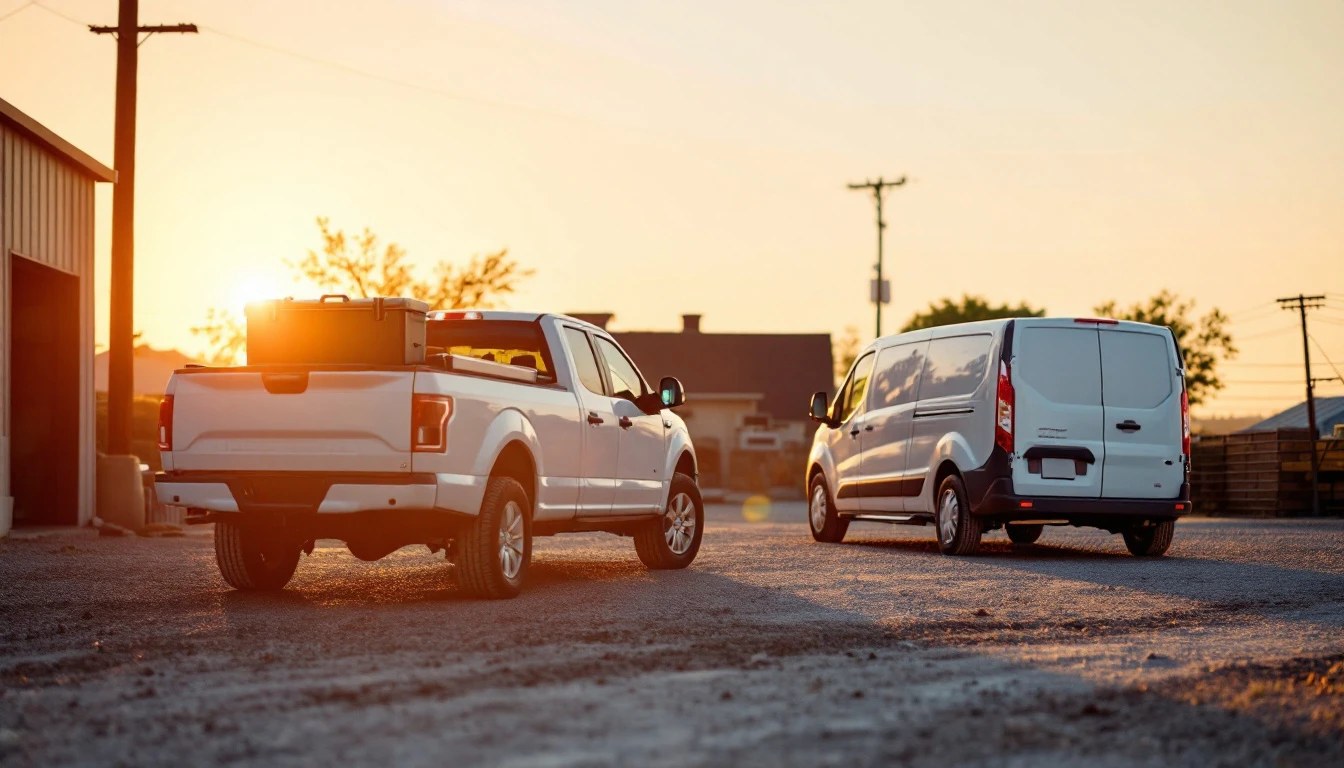
As of November 2026, a mobile auto locksmith visit for a work truck or van in Fort Worth is priced by the job: a cab lockout is $75–$175, a first transponder key $130–$250, a remote-head key $180–$350, a proximity fob $250–$500, and extra keys cut on the same visit are $70–$180 each. Ignition cylinder work is $120–$280 and module work is quoted from a $95–$185 diagnostic. Call (817) 813-8746 with the VIN for a range.
Quick Answer: What a Fleet Pays for an Auto Locksmith in Fort Worth
People who search “auto locksmith Fort Worth” usually have one car and one problem. A fleet manager has twelve trucks, three kinds of keys and a dispatcher who needs an answer before the crew loses the morning. This guide is written for the second person. It sets out what each common job costs on a work vehicle in Tarrant County and the counties around it, what moves the number, and how to avoid paying twice for the same fix.
The short version is that the price follows the vehicle and the job, not the zip code. Our service is fully mobile, so a pickup in a contractor yard on the west side and a van at a warehouse near Haltom City land in the same bands. The things that actually change an invoice are the key technology on the truck, whether a working key exists, how many keys are made in one visit, and what time of day the call comes in.
Everything below uses ranges we already publish for fleet work across the Metroplex. Where we do not publish a number, the job is quoted after diagnosis, and we say so.
Fort Worth Fleet Price Table: Job by Job
This is the one table to keep. It lists the jobs a Fort Worth fleet is most likely to call about, with the mobile range, what a dealership route typically adds, and the variable that decides where in the range a truck lands. Dealer paths are shown because a fleet comparing quotes is usually comparing against a tow-in appointment.
| Job on a work vehicle | Typical mobile range | Dealership path | What decides the number |
|---|---|---|---|
| Cab lockout, business hours | $75–$150 | Not offered | Engine running, cargo behind the seat |
| Lockout after hours or on a weekend | $125–$225 | Closed | Gate access and time of night |
| Transponder blade key, first key | $130–$250 | $200–$400 plus tow | Older vans and base-trim pickups |
| Remote-head or fobik key | $180–$350 | $250–$500 plus tow | Model year and trim |
| Proximity fob, push-button start | $250–$500 | $350–$650 plus tow | Late-model crew cabs |
| Additional key, same visit | $70–$180 each | Usually full price each | Programming session already open |
| All keys lost, per truck | Add $75–$200 | Tow plus appointment | Proof of ownership required |
| Ignition cylinder rebuild | $120–$280 | Rarely offered | Mileage and number of drivers |
| Immobilizer or key sync after module work | $120–$250 | $200–$400 plus tow | Whether a working key exists |
| ECM or PCM reflash, module in the truck | $150–$250 | $150–$300 plus tow | Whether software exists for the VIN |
| BCM programming or configuration | $180–$450 | $350–$750 plus tow | Option content on the truck |
| Diagnostic-only visit | $95–$185 | $120–$250 plus tow | Often credited toward the repair |
A tow to a dealership adds $100–$250 before any key work starts. That line is the one mobile service removes, and for a truck that cannot move it is often the largest item on the comparison.
What Changes the Price of a Fort Worth Fleet Job
Two trucks of the same model can produce two invoices. When they do, one of these six things almost always explains it.
1. Key technology. A mechanical key, a transponder key, a remote-head key and a proximity fob are four different jobs with four different costs. Proximity is the most expensive because the truck has to be taught the fob through its security system.
2. Whether a working key exists. Copying from a key that starts the truck is the cheap path. Originating a key when every key is lost adds $75–$200 per truck, because the work starts from the vehicle rather than from a key.
3. Number of keys in the visit. The first key carries the visit. Each additional key made in the same session is $70–$180. A fleet that buys spares one at a time pays the first-key price repeatedly.
4. Time of day. A lockout at 2 p.m. and a lockout at 2 a.m. sit in different bands. See our guide to after-hours fleet lockout cost for how that band works.
5. Make and security system. Most domestic work trucks sit in the middle of the ranges. European or executive units are quoted after a VIN check, and some heavy trucks are quoted after we see them.
6. Whether another shop touched the truck first. A battery replacement, an upfit or a used module can leave a security light on and turn a key job into a diagnosis. Those calls are diagnosed first and quoted second.
How Fort Worth Fleets Differ From the Rest of the Metroplex
The bands are the same across the area. The mix of jobs is not. A few patterns show up on the Tarrant County side that are worth planning for.
Yard-based contractors. Construction, roofing, fencing and utility contractors park trucks in a yard overnight and send them out at dawn. The typical Fort Worth call is a pickup with a worn ignition or a key that has been copied from a copy. These trucks live hard lives, with heavy key rings, tool belts catching the key and fobs dropped into mud. The cheapest fix is almost always a spare cut before the first one fails.
Warehouse and logistics fleets. The north side of Fort Worth and the cities around it, including Hurst, have a lot of cargo vans and box trucks moving between docks. The typical call is a locked-out van with the engine running or a fob that stopped working in the middle of a route. Our delivery van lockout cost guide covers the running-engine case in detail.
Trucks that go home with employees. A truck that sleeps at someone’s house is a truck that gets locked out at someone’s house. The lockout band does not change, but the trip does: we confirm ownership by phone, and an employee who is not the registered contact needs the fleet manager to authorize the work.
Mixed fleets with older units. Plenty of businesses keep trucks running long past the point where a dealer would call them due for replacement. Older units tend to use transponder keys or the earliest remote-head keys, which sit at the lower end of the key bands, and they tend to need ignition work. A $120–$280 cylinder rebuild on a truck that is otherwise sound is usually a better use of money than a replacement vehicle.
These are patterns we see, not rules. A roofing crew and a courier company can have the same call on the same morning.
Lockouts: The Cheapest Call and the Most Common
A cab lockout is $75–$150 in business hours on a work vehicle, inside the wider $75–$175 range we publish. It is usually the shortest job we do and the one with the least variation. What moves a lockout inside the range is whether the engine is running, whether the vehicle is in a position that is hard to reach, and whether there is anything in the cab, like cargo or a tablet, that raises the stakes of a mistake.
The part fleets underestimate is what a lockout turns into. Some lockouts begin with a driver who says the keys are inside and end with a driver who cannot find the keys at all. When that happens, the call becomes a key job and the all-keys-lost line applies. A labeled spare in a lockbox on the dispatcher’s desk turns a $75–$175 lockout plus a $130–$250 key into a $75–$175 lockout alone. Our guide to fleet vehicle lockout cost sets out how to structure that.
Keys: Where Most of the Money Goes
Key work is where fleets spend the most and where a small amount of planning saves the most. The bands are on the table above. Three points are worth repeating.
Know your key types before you call. A one-page list of every truck by year, make, model and key type lets a dispatcher request the right range in thirty seconds. If you do not know which key a truck uses, look at it. A metal blade with a thick plastic head is usually a transponder. Buttons on the head mean remote-head. No blade to insert and a start button on the dash means proximity.
Make spares in batches. The additional-key line is $70–$180 each because the programming session is already open. A fleet that makes three spares in one visit pays the first-key price once. See fleet spare key program cost for how a batch works.
Do not run the whole fleet on one key. A single key on a heavy ring is the leading cause of cylinder wear and the reason a spare fails later. Each driver or crew should have a clean key, not a copy of a copy. Our guide to fleet spare keys that stop working explains why a spare that has never been tested is not really a spare.
For a make-by-make view of the pickups most Fort Worth fleets run, see Ford F-150 fleet keys by generation and Ram pickup fleet keys by generation.
Ignition Work: The Repair Fleets Delay
An ignition that sticks, turns hard or only works with a wiggle gets ignored until it fails on a Monday. A cylinder rebuild is $120–$280, and an electrical switch is $150–$350 where the switch itself is the fault. Both are mobile jobs: we work at the truck rather than asking you to bring it.
The early signs are worth teaching drivers. A key that needs more force than it used to, a key that comes out in the on position, a dash that flickers over bumps, or a truck that starts only on the second try are all warning signs of a worn cylinder or switch. Our guide to work truck ignition wear with shared drivers explains why it hits fleets faster than private owners, and fleet ignition repair cost has the full price lines.
Module Work: Diagnose Before You Buy a Part
When a truck will not start after another shop has been in it, the cause is often a computer that needs to be told about the keys, not a failed part. The ranges above cover the common cases: an ECM or PCM reflash at $150–$250, BCM programming at $180–$450, and key re-sync at $120–$250.
The advice we repeat most often is to call before the part is ordered. A used module bought online and delivered to a yard is a part that nobody has agreed to program. Dealers frequently refuse them, and they can arrive carrying another vehicle’s identity. A diagnostic visit at $95–$185, often credited toward the repair, tells you whether the part is needed at all. Our cost guides for fleet ECM and PCM programming and fleet BCM programming go through each line.
Mobile Versus Dealership: A Fort Worth Fleet Comparison
Take a crew-cab pickup with a dead proximity fob that has been left in a field near a job site. The two paths look like this.
| Step | Mobile locksmith | Dealership route |
|---|---|---|
| Getting the truck to the work | We come to the truck | Tow, $100–$250 |
| First fob | $250–$500 | $350–$650 |
| Second fob, same visit | $70–$180 | Usually full price again |
| Truck out of service | The length of the visit | Drop-off, appointment and pickup |
The dealer is not always the wrong choice. Warranty repairs, some vehicles with proprietary parts and certain recalls are the dealer’s to do. Before you spend money on a keyed repair, run the VIN through the NHTSA recall lookup, because a covered repair costs nothing. For routine key work, the arithmetic usually favors mobile. Our mobile versus dealer and tow comparison works through three fleet sizes.
A Composite Example: A Fencing Crew and Five Pickups
Situation (a composite of calls we commonly run, not one named customer): A fencing contractor in the Fort Worth area ran five pickups of three different model years. Every crew lead carried one key. Two trucks had been locked out in the past month, and one crew had lost half a morning waiting for a key to be brought from the office.
What we did: We visited the yard once. The three older trucks used transponder keys, and the two newer ones used remote-head keys. We made a clean spare for each truck in the same visit, tested every key in its door and ignition, and recommended that the office keep the spares in a labeled box rather than on a hook by the door.
What it cost: One first-key price per truck type, then the additional-key line for the rest of the batch. The manager noted that the batch was less than the cost of a single after-hours lockout and an all-keys-lost call combined.
The lesson: A fleet does not need a contract to benefit from a locksmith. It needs a list of vehicles, a spare for each one and a number to call.
Setting Up Your Fort Worth Fleet Before You Need Us
A few minutes on a quiet day makes the first call fast.
- Write down year, make, model, trim and key type for each vehicle.
- Keep a copy of the registration or an insurance card for each unit where a dispatcher can reach it. We verify ownership before working on any vehicle.
- Name the people who can authorize work and give their numbers.
- Cut one labeled spare per vehicle and store it away from the truck.
- Save one number in every dispatch phone.
Our mobile car locksmith page covers what we bring, and you can contact us to set up the vehicle list. We work across the area, including Mansfield and Arlington on the south and east edges of Tarrant County. For the metro-wide view of how the same bands apply in every city, read car locksmith near me for fleets across DFW. If you are deciding between companies, how to vet an automotive locksmith has the checklist.
How to Vet Any Auto Locksmith Before You Approve the Job
Before a truck is touched, ask five things: the price range for the exact job, the company name that will appear on the invoice, whether the technician will cut and program on site, whether a trip charge is included in the range, and what proof of ownership is needed. Texas locksmith licensing sits with the DPS Private Security Program, and any company should give you its license information without hesitation. For general consumer-protection guidance, the FTC maintains a consumer information site. Our own rule is simple: a quote given for a specific job should hold when the technician arrives.
When a Fort Worth Fleet Should Not Use Mobile Service
Mobile work is the right default, not the only option. A truck under warranty for the exact fault should go to the dealer. A part that only the manufacturer can supply has to come from them. A heavy truck with an unusual system may need to be seen before we quote, and our heavy truck keys guide says which ones. And a vehicle we cannot tie to the company asking is one we will not open or program. We would rather say so on the phone than after a wasted trip.
Frequently Asked Questions
How much does an auto locksmith cost for a work truck in Fort Worth?
A cab lockout is $75 to $150 in business hours and $125 to $225 after hours. A first transponder key is $130 to $250, a remote-head key is $180 to $350 and a proximity fob is $250 to $500. Extra keys made in the same visit are $70 to $180 each, and an ignition cylinder rebuild is $120 to $280.
Is the price different in Fort Worth than in Dallas or Arlington?
No. The service bands are the same across the Metroplex because the work is the same. What differs is how long it takes a technician to reach you, which we discuss on the phone before dispatch.
Can you make keys at the truck without towing it?
Yes. We cut and program on site for most work vehicles. A tow to a dealership adds $100 to $250 before any key work begins, so mobile service usually removes the biggest single line on the comparison.
What do you need from us before working on a company vehicle?
We need proof the vehicle belongs to the company, such as a registration or insurance card, and a contact who can authorize the work. If a driver is calling, we confirm with the fleet manager. A vehicle we cannot tie to the company asking is not something we will open or program.
Should we cut spare keys for every truck?
Yes, one labeled spare per vehicle, stored away from the truck. Additional keys made during an open programming session are $70 to $180 each, which is much less than an after-hours lockout or an all-keys-lost call on the same truck.
When is a dealership the better choice?
For warranty repairs, recalls and parts only the manufacturer can order. For routine key, lockout and ignition work on work trucks, mobile service avoids the tow and the day without the vehicle. Check the VIN against the NHTSA recall lookup before paying for any keyed repair.