
Mobile ECM and PCM Programming Cost for DFW Fleets (2026)
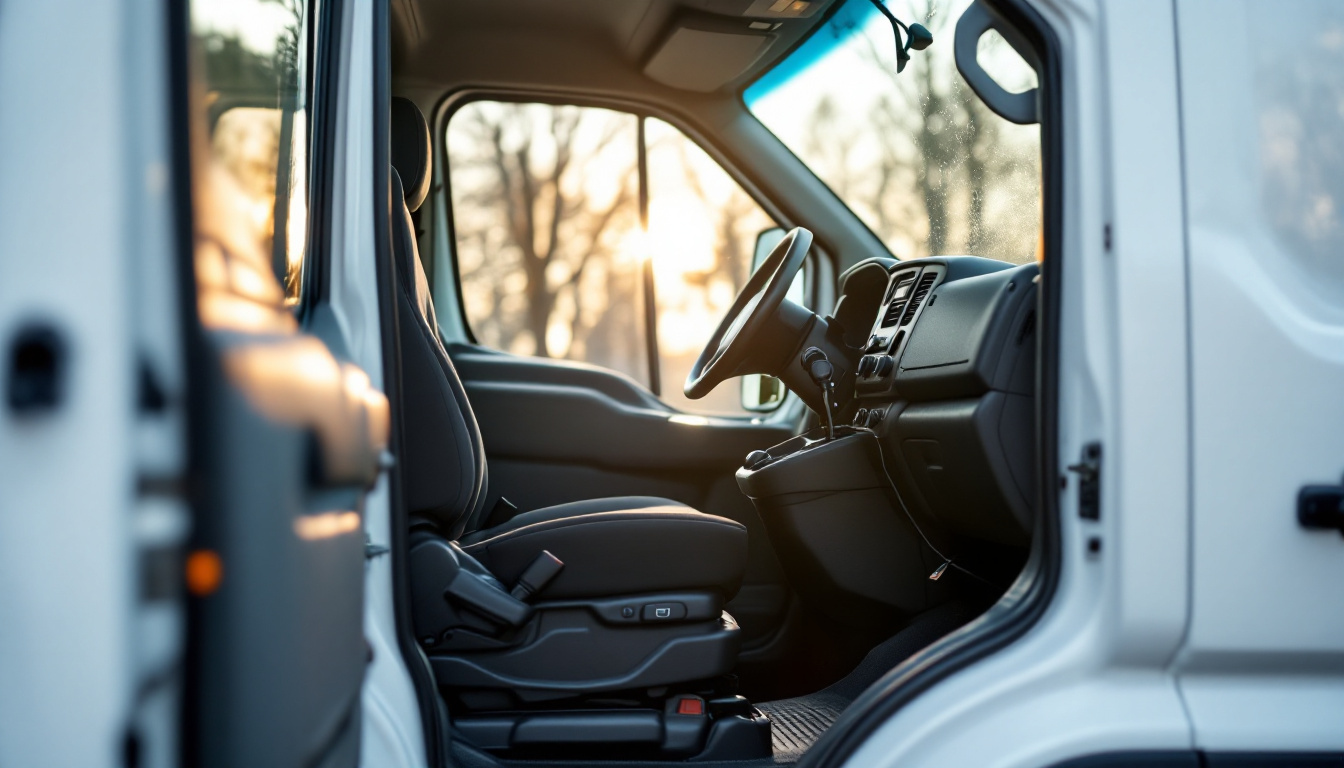
As of August 2026, mobile ECM and PCM programming for fleet vehicles across Dallas–Fort Worth typically runs $150–$250 for a reflash of the module already in the truck, $200–$350 to program a new module to the VIN, and $250–$700 when a used or replacement unit has to be VIN-matched and the anti-theft system relearned. Diagnostic-only visits run $95–$185 and are often credited toward the repair. The dealership path adds a tow and, for a fleet, a day. Call (817) 813-8746 and we bring the programming to your yard.
Quick Answer: What Fleet Managers Get Wrong About Module Cost
“Computer programming” is four different jobs. A software reflash, programming a brand-new module, VIN-matching a used module, and an immobilizer relearn after module work are separate procedures at separate prices. A quote that does not say which one you are buying is not a quote.
The part is often not the problem. A meaningful share of trucks sent out for a replacement module do not need one. A diagnostic visit that costs less than $200 regularly prevents a $700 decision, which makes it the cheapest line item on this page.
The tow is the fleet tax. A truck with a dead powertrain module will not drive to a service lane. Add $100–$250 for the tow and then add the day. Mobile programming removes both lines rather than discounting them.
Fleets can stack the work. If three units are due for module work and four need spare keys, one scheduled visit handles all seven. Programming sessions and key sessions use overlapping setup, so combining them is materially cheaper than booking two days.
Typical DFW Mobile Programming Prices for Fleet Work
Ranges we quote across the Metroplex, from our own mobile work. They match the pricing on our consumer car computer programming cost guide — fleet units are not surcharged, they are simply scheduled differently.
| Job | Typical DFW mobile range | Typical dealership path | What drives the number |
|---|---|---|---|
| ECM or PCM reflash, module already in the truck | $150–$250 | $150–$300 plus tow | Whether software exists for the VIN |
| New ECM or PCM programmed to the VIN | $200–$350 | $300–$500 plus tow | Platform, option content |
| Used or salvage module, VIN-matched | $250–$700 | Frequently refused outright | Part sourcing, anti-theft relearn |
| BCM programming or configuration | $180–$450 | $350–$750 plus tow | Option content, security waits |
| Immobilizer or key sync after module work | $120–$250 | $200–$400 plus tow | Keys on hand at the time |
| Diagnostic-only visit | $95–$185 | $120–$250 plus tow | Often credited toward the repair |
| Tow to a dealership | $100–$250 on top | Built into the tow-in path | The line mobile service removes |
The bottom two rows are the ones fleet budgets usually miss. One is the cheapest way to avoid a wrong purchase; the other is pure loss.
What Changes the Price on a Given Truck
Whether software exists for that VIN. Manufacturers publish calibration files per vehicle. If a current file exists, a reflash is a straightforward session. If the platform is old enough that support has thinned, the options narrow and the price moves toward the replacement end of the table.
New part versus used part. A blank module needs an identity written to it. A used module needs its previous identity removed first and the anti-theft system taught to trust it. That extra step is the whole reason the used-module row spans such a wide range.
Option content on the unit. Two trucks from the same year with different equipment packages are configured differently. Upfitted work vehicles — lift gates, auxiliary power, plow prep, aftermarket telematics — can add configuration work that a base-trim vehicle never needs.
Whether keys are involved. If the module being replaced holds key credentials, the immobilizer relearn comes with it. That is the $120–$250 line, not an extra visit, and it is far cheaper bundled than booked later.
Security waits. Some platforms enforce a timed delay before accepting new security data. It is unavoidable at any vendor. On a single-vehicle visit you pay for that time; on a stacked fleet visit it disappears into work on the next truck.
What the diagnosis actually finds. The largest swing of all is discovering the module was never the fault. Wiring, grounds, a failing sensor and a starved fuel system all imitate module failure convincingly, and none of them is fixed by programming.
Know Which Module You Are Actually Buying
The acronyms get used interchangeably on the phone and it costs people money. The ECM is the engine control module. The PCM handles engine and transmission together, and it is what most domestic trucks and vans actually carry. The TCM handles the transmission where it is separate. The BCM runs body functions — locks, lights, and the immobilizer handshake that determines whether the engine will accept your key. ECU is a generic umbrella term for any of them, which is why a quote written against “the ECU” tells you nothing.
The distinction matters for a fleet because the failure symptoms overlap. A truck that cranks and will not fire could be a powertrain module, an immobilizer refusing the key, a fuel delivery fault, or a wiring problem masquerading as all three. Our guide to a work truck that cranks but will not start walks that fork in the road, and the signs of a genuine car computer problem covers what a failing module actually looks like from the driver’s seat.
If you want the deeper technical background, our pages on ECM and PCM programming, TCM programming and BCM programming cover each unit on its own, and the older ECM programming guide explains what a VIN write involves.
Reflash, Replace, or VIN-Match a Used Module?
Reflash is the cheapest outcome and the most common one that gets skipped. The module in the truck is fine; its software is out of date or corrupted. If current software exists for that VIN, this is a session, not a parts purchase.
A new module programmed to the VIN is the clean path when the unit has genuinely failed. The part arrives blank and has to be told which vehicle it lives in, which options that vehicle has, and which keys it should accept.
A used or salvage module is where fleets try to save money and sometimes do. It arrives still carrying another vehicle’s identity, which has to be replaced by VIN matching before the anti-theft system will relearn it. That is more labor, which is why the range runs to $700, and it is also why many dealerships will not attempt it at all. For a truck with a hard-to-source module it can still be the fastest route back into service.
The right answer depends on the specific vehicle, and any vendor who names it before a diagnostic is guessing. Before buying a used module, run the VIN through the NHTSA recall lookup as well — occasionally a driveability complaint is an open recall rather than a failed part, and that is a free repair at a dealer.
Real-World Example: Three Trucks, One Wrong Diagnosis
Situation: A DFW contractor had three trucks down in the same month with similar complaints — cranks, no start, no obvious warning. A shop had quoted replacement powertrain modules on all three, and the owner was staring at a four-figure parts bill plus three tows.
What we did: A single diagnostic visit to their yard in the morning. One truck genuinely needed a module, programmed and VIN-written on site. The second needed a reflash. The third had an immobilizer that had lost its key credentials after unrelated electrical work — no module fault at all, just a relearn.
Result: One module purchased instead of three, all three trucks back in service the same day, and no tow bills. The diagnostic visit cost less than a single tow would have.
People replace a lot of modules that were never broken. The cheapest thing a fleet can buy from us is an hour of diagnosis before anyone orders a part. — senior mobile technician, Metroplex Locksmith
Why Mobile Programming Suits a Fleet Better Than a Service Lane
A dealership appointment assumes the vehicle can arrive under its own power, that it can be left overnight, and that losing it for a day is acceptable. None of those hold for a working truck. It cannot drive itself in, it is carrying tools and equipment that should not sit in a strange lot, and the day it loses is billable work.
Mobile programming inverts all three. The equipment comes to the vehicle wherever it died — a yard in Dallas, a job site in Hurst, a customer’s driveway in Lewisville. The truck stays yours the entire time, and the crew watches the work rather than waiting for a phone call.
The other advantage is sequencing. Programming involves genuine dead time: security waits, module initialization, verification drives. On a fleet visit that dead time gets spent on your other trucks instead of on a waiting-room chair. That is the practical reason a stacked fleet visit costs less per unit than the same jobs booked one at a time, and it is the same logic behind our fleet key replacement cost guide.
Texas Rules and How to Read a Programming Quote
Licensing for Texas locksmiths runs through the DPS Private Security Program rather than the trade-licensing agency people reach for — a distinction people get wrong constantly. Any vendor doing security-related module work on your vehicles should be able to produce a license and proof of insurance without hesitating.
Read the quote for four things. Which module. Which of the four procedures. Whether keys and immobilizer sync are included or billed separately. And whether a diagnostic fee is credited if you approve the repair. A quote that answers all four is a real quote; one that says “computer programming” and a number is not.
FTC consumer guidance on locksmith bait-and-switch spells out the failure mode to watch for: a low phone number that becomes something else once the technician is on site and the vehicle is apart. Ranges quoted honestly up front are wider than a single fake number, and that is the point. Industry credentialing through NASTF and professional standards via ALOA are fair questions to ask any vendor you are about to put on a recurring schedule. Locksmithing and safe repair is a tracked skilled trade in the Bureau of Labor Statistics occupational data, and the work on a modern truck is closer to diagnostics than to cutting metal.
One security note. When a body or immobilizer module is replaced, every key credential on the vehicle is rewritten. That is an opportunity to get every unit to two working keys and to invalidate any key you cannot account for — worth doing deliberately, given that the National Insurance Crime Bureau still recorded 850,708 vehicle thefts nationally in 2024 even after a 17 percent drop.
What to Have Ready When You Call
Have the VIN. Everything about which module the truck carries, what software applies, and what the anti-theft system expects is resolved from it, and guessing from the badge wastes a visit.
Have the symptom in plain language and the sequence of events. “It cranks but never fires, started after the battery was replaced” is far more useful than “the computer is bad.” If a shop already pulled codes, read them to us over the phone.
Know whether a part has already been bought, and whether it is new or used. A used module in a box on your shelf changes the procedure and the price, and it is better discussed before the technician is dispatched than after.
Finally, count the working keys on the affected units. Immobilizer relearns after module work are far quicker when a good key exists, and if the answer is zero we will bring what an all-keys-lost recovery needs. Fleets that keep dealership key replacement cost in mind when they schedule module work usually add the spare keys to the same visit — it is the cheapest they will ever be. Medium-duty operators should also see the box truck key and module guide, and Italian-market vans have their own quirks in our Fiat key replacement guide. Reach us anytime through our contact page.
Frequently Asked Questions
How much does PCM programming cost in DFW?
Mobile PCM programming across Dallas–Fort Worth typically runs $150 to $250 for a reflash of the module already installed, $200 to $350 to program a new module to the VIN, and $250 to $700 when a used unit must be VIN-matched with an anti-theft relearn. A diagnostic-only visit is $95 to $185 and is often credited toward the repair.
Can a module really be programmed at our yard instead of a dealership?
Yes. The programming equipment is portable and the work is done through the vehicle’s diagnostic port, so it happens wherever the truck is parked. That removes both the tow, typically $100 to $250, and the day of downtime a service-lane appointment costs a working vehicle.
Do you charge more for fleet vehicles than for personal cars?
No. The per-job pricing is the same. Fleet visits often work out cheaper per unit because several trucks are handled in one scheduled visit, so travel and setup are spread across multiple vehicles and the unavoidable security waits on one truck are spent working on the next.
What is the difference between ECM, PCM and BCM programming?
The ECM controls the engine, the PCM handles both engine and transmission and is what sits in most domestic trucks, and the BCM covers body functions, among them the immobilizer handshake your key has to pass to start the vehicle. They fail with overlapping symptoms, which is why a diagnostic comes before any parts decision.
For a work truck, does a used module actually save money?
Sometimes, but not always once labor is counted. A salvage unit still holds the identity of the vehicle it came out of, which must be VIN-matched before the anti-theft system relearns it, which is why that job runs $250 to $700. It is most worthwhile when a new module is back-ordered and the truck needs to be earning now.
Will our keys still work after a module is replaced?
Not automatically. Replacing an immobilizer-related module usually clears the stored key credentials, so keys have to be resynced to the vehicle, typically $120 to $250 when a good key exists. It is the ideal moment to bring every unit up to two working keys in the same visit.
The Bottom Line
Fleet module work is cheapest when it starts with diagnosis and ends in one scheduled visit. A reflash is a few hundred dollars; a replacement module bought on a guess is several times that, plus a tow, plus a day. The vendors worth using will tell you which of the four procedures your truck actually needs and will quote keys and immobilizer sync in the same breath, because on a working vehicle those are the same job.
Give us the VIN, the symptom and the address where the truck sits. We will tell you what it is likely to be, what it will likely cost, and when we can be there. Call (817) 813-8746 or use our contact page.