
Car Computer Programming Cost in Arlington & DFW: ECM, BCM and Immobilizer Work
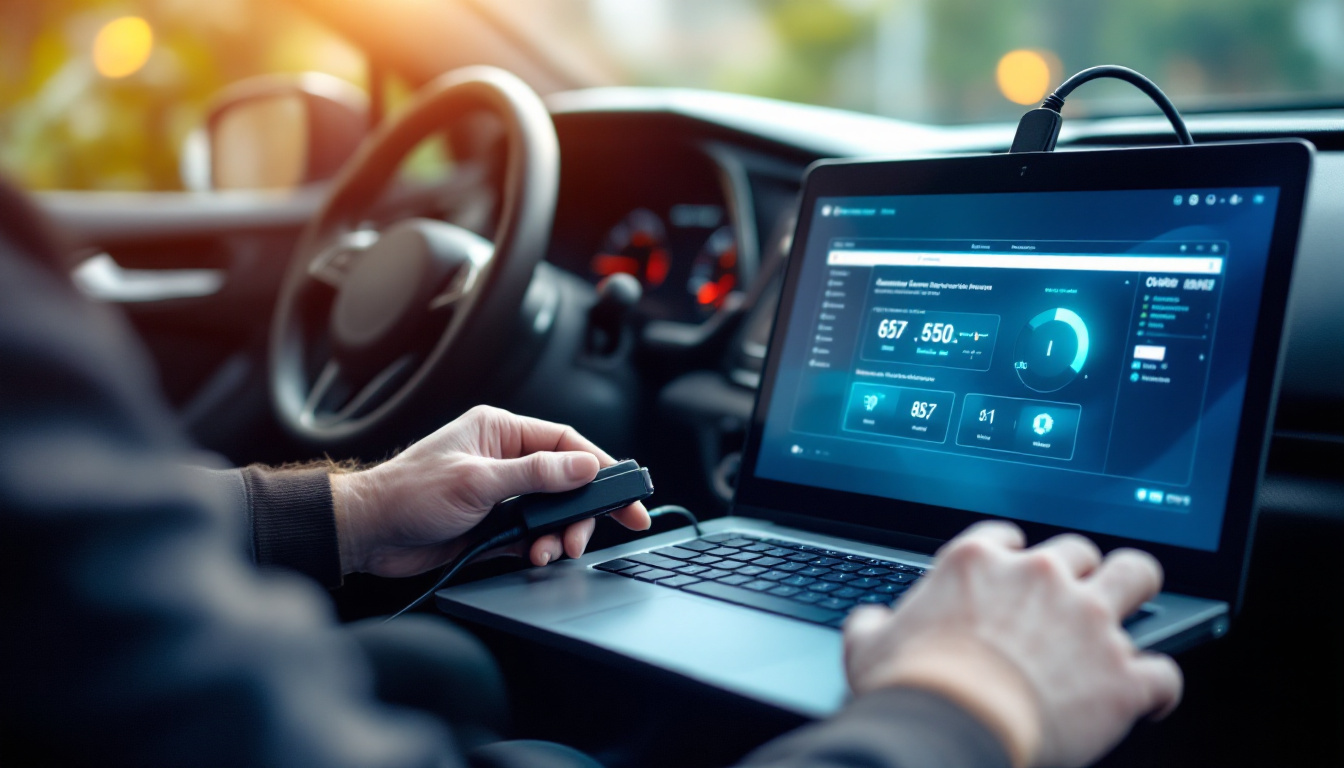
As of August 2026, car computer programming in Arlington and across Dallas–Fort Worth typically runs $150–$450 for module programming and VIN-matching on most vehicles, and $250–$700 when a replacement module has to be sourced, flashed and married to the car’s other systems. That is generally well under the dealership path once you add the tow that a non-starting vehicle usually requires. Call (817) 813-8746 with your year, make and VIN and we will tell you which module you are actually dealing with.
Updated August 2026: these module ranges are unchanged, and one clarification is worth adding. Vehicles that have been parked for weeks or months are quoted for module work far more often than they need it — key data survives a completely flat battery, so a stored vehicle has not forgotten its keys. We walk through what actually failed, in order, in our guide to the fleet truck that sat for months and will not start.
Quick Answer: What “Car Computer Programming” Means
It is not one service. Modern vehicles carry a dozen or more control modules. The four that generate almost every call are the engine control module, the body control module, the transmission control module and the immobilizer function that lives inside one of them depending on platform.
Most jobs are software, not hardware. A large share of what gets diagnosed as a failed computer is a module that has lost its configuration, a key credential that no longer matches, or a module that was replaced without being programmed to the VIN.
A used module is not plug-and-play. A donor unit from another vehicle carries that vehicle’s identity. It must be flashed and configured to your VIN, and on some platforms it cannot be reused at all.
Mobile is realistic for a lot of this. Programming needs a laptop, an interface, correct software and stable vehicle voltage — not a lift. That is why a mobile technician can do at your location what would otherwise start with a tow bill.
Typical DFW Pricing for Module Work
Ranges from our own mobile work across the Metroplex, quoted before we see the vehicle:
| Job type | Typical DFW mobile range | Typical dealership path | What drives it |
|---|---|---|---|
| Immobilizer / key credential reprogramming | $150–$350 | $250–$600 plus tow | Brand, generation, keys on hand |
| BCM programming or configuration | $200–$450 | $350–$750 plus tow | Option content, security wait times |
| ECM / PCM flash to existing unit | $180–$400 | $300–$700 plus tow | Software availability for the VIN |
| Used or replacement ECM/PCM, VIN-matched | $250–$700 | $600–$1,500 plus tow | Part sourcing, anti-theft relearn |
| Diagnostic-only visit | $95–$185 | $120–$250 plus tow | Often credited toward the repair |
| Tow to a dealership | $100–$250 on top | Included in the tow-in path | The line item mobile service removes |
The dealership column looks close until you add the last row and the calendar. A non-starting car cannot drive itself to a service lane, and a service lane’s next diagnostic slot is frequently days out.
How to Tell a Computer Problem From a Key Problem
These two get confused constantly, and the confusion is expensive in both directions. A rough field guide:
Likely a key or immobilizer credential issue: the engine cranks but will not stay running; a security or immobilizer light flashes; one key works and another does not; the problem started right after a battery change or a fob repair.
Likely a module issue: multiple unrelated systems misbehave at once; no communication with the scan tool on a particular module; the car went dead after a jump-start or a water event; a rebuilt or salvage vehicle behaves oddly in ways that predate you.
Could be either: intermittent no-start with no pattern. That is what diagnosis is for, and it is why we quote a diagnostic step rather than guessing over the phone. We wrote more on the symptom side in the signs of car computer problems, and the module-specific detail lives in our notes on ECM programming and BCM programming across DFW.
Why Arlington and the Mid-Cities Call About This More Than You Would Expect
Two local realities drive the volume. First, this is a used-vehicle-heavy market, and used vehicles are where salvage modules, prior repairs and unfinished programming turn up. Second, the independent repair network across Arlington, Hurst and Mansfield does excellent mechanical work but frequently does not carry manufacturer-level programming software — so the module gets replaced and then needs someone else to code it.
That second scenario is one of our most common calls: the shop has done the hard part, the part is installed, and the car will not start because nothing has told it who it is. That is a programming visit, not a re-repair, and it usually resolves in one appointment at the shop’s own bay or the customer’s driveway.
It is also worth checking whether your specific complaint is a known defect before paying anyone. The NHTSA recall lookup takes a VIN and two minutes, and module-related recalls are not rare. If your issue is covered, that is a free repair at a franchise dealer.
Real-World Example: A Truck, a Salvage Module and Two Weeks of Waiting
Situation. An Arlington owner had a half-ton pickup that died in his driveway. An independent shop diagnosed a failed control module, sourced a used unit from a salvage yard, installed it — and the truck still would not start. The dealership quoted a tow plus a diagnostic plus programming, with the first available appointment nearly two weeks out.
What we did. We came to the truck, confirmed the donor module was communicating but carrying the wrong vehicle identity, and programmed it to his VIN. Anti-theft relearn followed, then a key credential re-registration because the immobilizer function had to be re-established against the new module. We verified start, run and a full key set before leaving.
Result. Truck running the same afternoon for a fraction of the dealer path, with no tow. The owner kept the shop’s mechanical work and paid only for the software step that shop could not perform.
Half the module calls we take are cars that were already fixed correctly. The part is right, the install is right, and nobody has told the vehicle what the new part is. That last ten percent is a laptop job, not a mechanical one. — senior mobile technician, Metroplex Locksmith
What a Mobile Locksmith Can and Cannot Program
Honesty here saves everyone a wasted trip. Broadly, a properly equipped mobile automotive locksmith handles immobilizer and key credential programming across a wide range of makes, plus configuration work on body and powertrain modules for many platforms.
What we do not do is claim universal coverage. Some manufacturers gate specific software behind dealer-only channels, some late-model platforms require an online session tied to a manufacturer subscription for a given operation, and some modules are single-use by design. When your vehicle falls into one of those categories, the useful answer is the honest one, delivered before dispatch.
The credentialing behind this work is real. Locksmiths who access manufacturer security data are vetted through the NASTF Vehicle Security Professional registry, and automotive locksmith work in Texas is licensed through the Texas Department of Public Safety Private Security Program. Ask for both. Trade bodies such as ALOA hold members to the same expectation.
Why Module Work Costs What It Does
Three inputs: software licensing, equipment, and time. Manufacturer-level programming access is a recurring subscription cost per brand, the interfaces are specialized tools, and the sessions themselves are not fast — some security relearns build in mandatory wait periods measured in minutes to hours that no technique shortens.
The skill component is real too. The Bureau of Labor Statistics tracks locksmiths and safe repairers as a distinct skilled occupation averaging roughly $50,000 a year nationally, and module programming sits at the technical end of that trade. It is also why a suspiciously cheap quote should worry you rather than tempt you — the Federal Trade Commission has documented the low-quote, high-invoice pattern in this industry for years.
There is a security dimension as well. The same electronic architecture that makes programming complicated is what pushed theft down: the National Insurance Crime Bureau reported 850,708 vehicles stolen in 2024, down 17% from 1,020,729 in 2023, the largest annual decline in four decades. Key and module security is a meaningful part of that, and it is also why fob and key pricing has climbed — Kelley Blue Book’s dealership survey puts common fob replacement between $150 and $500 or more.
What to Have Ready When You Call
- Year, make, model, engine and trim — module part numbers vary within a single model year.
- Your VIN — everything in this service is VIN-specific.
- What already happened — a shop replaced a part, the car sat, there was water, there was a jump-start.
- Any scan-tool codes — if a shop pulled codes, read them to us verbatim.
- Whether the vehicle starts at all — cranks-no-start, no-crank and dead-electrical are three different diagnoses.
- Battery condition — programming needs stable voltage, so a weak battery can stall the whole visit.
If the complaint turns out to be key-side rather than module-side, we handle that on the same visit through car key replacement, and worn ignition cylinders through ignition repair. Owners of European vehicles may also want our write-up on BMW car key replacement in Arlington, since BMW module and key work overlap heavily.
The Bottom Line
Car computer programming in Arlington and DFW typically runs $150–$450 for programming and configuration, and $250–$700 when a replacement module is involved — usually less than the dealer path once the tow is counted, and usually days sooner. The first job is telling a module problem from a key problem, and a good shop does that before quoting.
We are fully mobile across the Metroplex and we come to the vehicle. Call (817) 813-8746, see our car computer reprogramming page, or reach us through our contact page.
Frequently Asked Questions
How much does car computer programming cost in Arlington?
Typically $150 to $450 for programming and configuration of an existing module, and $250 to $700 when a replacement or used module must be sourced and VIN-matched. A diagnostic visit generally runs $95 to $185 and is often credited toward the repair. The dealership path adds a tow for any vehicle that will not start.
Can a locksmith program an ECM or PCM, or is that a dealer job?
A properly equipped mobile automotive locksmith programs immobilizer, body and many powertrain modules across a wide range of makes. Coverage is not universal: some manufacturers gate specific operations behind dealer-only software. The right shop checks your VIN against its coverage and tells you before dispatch rather than after.
Will a used module from a salvage yard work in my car?
Sometimes, and never without programming. A donor unit carries the original vehicle’s identity and must be flashed and configured to your VIN, followed by an anti-theft relearn on most platforms. Some modules are locked to their first vehicle by design and cannot be reused at all, which is worth confirming before buying one.
My mechanic replaced the module and the car still will not start – what now?
That is one of the most common calls we take, and it usually is not a failed repair. The new part is installed correctly but has never been told which vehicle it lives in. Programming to the VIN plus a security relearn typically finishes the job in a single visit, at the shop’s bay or your driveway.
How do I know whether my problem is the key or the computer?
A rough rule: if the engine cranks but dies immediately and a security light flashes, suspect the key credential or immobilizer. If several unrelated systems misbehave or a module will not communicate with a scan tool at all, suspect the module. Intermittent no-starts can be either, which is what the diagnostic step resolves.
Do you need to tow my car for module programming?
Usually not. Programming requires a laptop, a manufacturer-level interface, correct software and stable battery voltage rather than a lift, so it can be done where the vehicle sits. A tow becomes necessary only when the car needs mechanical work we do not perform or when the platform requires a dealer-only session.
Ready When You Are
Have the VIN handy and we can usually tell you on the first call whether your car is a key job, a module job, or a warranty claim someone else should be paying for: (817) 813-8746.