
The Fleet Truck That Sat for Months: Why the Key, Fob and Immobilizer All Quit at Once
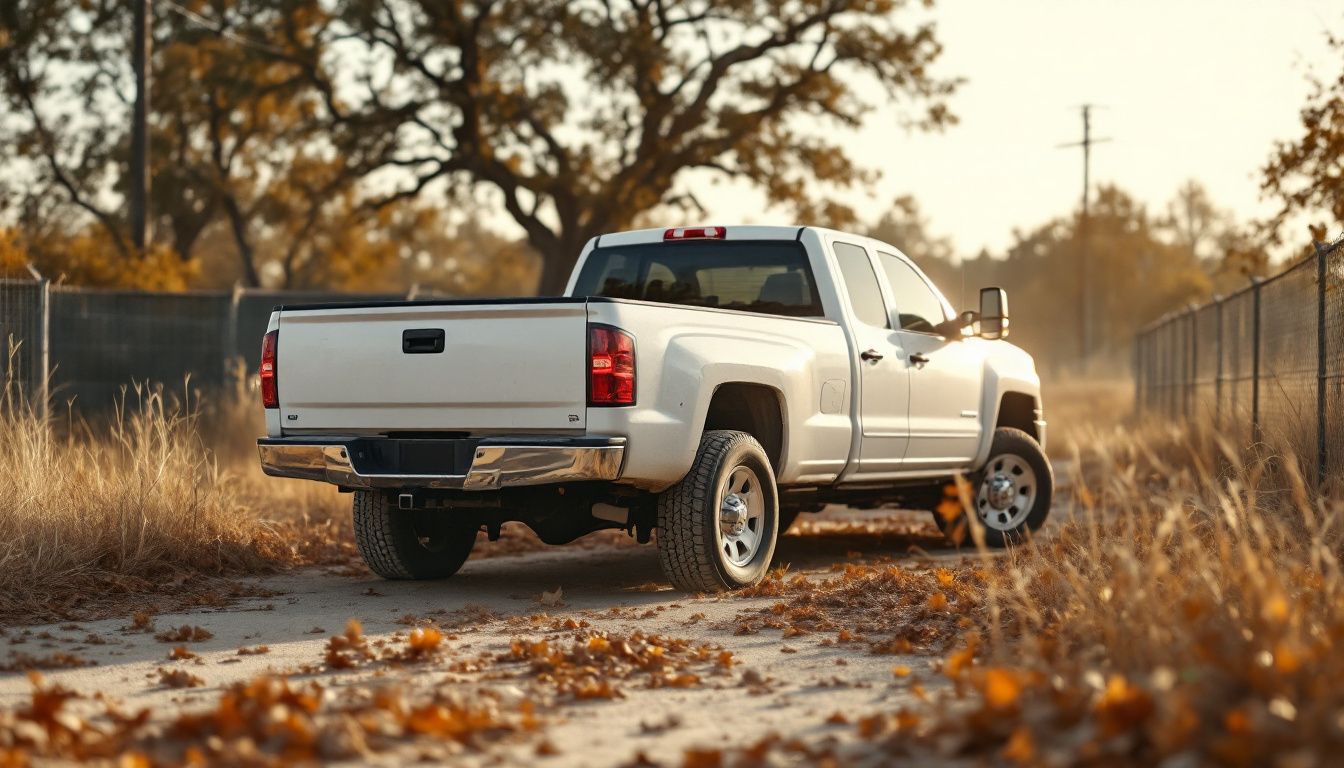
As of August 2026, a fleet truck that has sat for months and now will not start or unlock almost never lost its key programming. Keys live in non-volatile memory and survive a flat battery. What actually failed, in order, is the main battery, then the fob battery, then a corroded lock, and only then a module that needs attention. A diagnostic visit runs $95–$185, an immobilizer or key sync $120–$250, BCM configuration $180–$450, an ECM or PCM reflash $150–$250, and a replacement key $130–$500 depending on type. Call (817) 813-8746 before anyone assumes the truck needs a module.
Quick Answer: The Order Things Actually Fail
1. The main battery, every time. A vehicle parked for three months in a DFW summer is sitting in heat that ages a battery faster than use does, while the alarm, telematics and body module quietly draw on it. Below a certain voltage nothing behaves normally: doors do not respond, the dash lies, the immobilizer misreports and the starter clicks.
2. The fob battery. A coin cell has a shelf life whether the truck moves or not. A fob that worked the day the unit was parked can be flat by the time it is needed.
3. The lock and the cylinder. Months of Texas heat, dust and moisture on a lock that never turns leaves a cylinder stiff and a door seal that has effectively glued itself shut. Forcing that key is how blades break.
4. Modules, last and least often. A module does not forget your keys because the truck sat. It can, however, be left with faults after a deep discharge, or refuse to complete a procedure while voltage is low. That is a different problem from amnesia and it has a different fix.
The Myth Worth Killing First
Fleets tell us constantly that a truck lost its keys because the battery went flat. On any modern vehicle that is not how it works. Key data is stored in non-volatile memory, which is memory that survives with no power at all. Disconnect the battery for a week, reconnect it, and the immobilizer still knows exactly which keys it trusts.
What a deep discharge genuinely can do is different and more mundane. Learned values get lost — idle strategy, window one-touch, sunroof limits, on some platforms steering-angle calibration. Modules that browned out rather than losing power cleanly can log faults that then look like security faults. And the truck may crank and refuse to run for reasons that have nothing to do with a key at all.
This matters commercially because “the truck lost its keys” sends a fleet manager shopping for programming, and programming is not what the truck needs. We would rather sell a $95–$185 diagnostic that ends in a battery than a module job the vehicle never required. The same distinction runs through our guide to car computer programming cost in Arlington and DFW: paying for module work you do not need is the most avoidable expense in this trade.
Why Low Voltage Fakes Every Other Symptom
An automotive network is a set of computers gossiping on a bus. Drop the supply voltage and the gossip degrades in ways that look like a dozen unrelated faults at once.
A weak battery will crank the engine and still leave the body module too starved to authorise a start, so the truck cranks and dies. It will flash a security light that means nothing except that a module could not complete its handshake. It will make a perfectly good fob appear to have died, because the receiver is not listening properly. And it will make the dash throw warnings across systems that are entirely healthy.
This is why a competent technician checks voltage before touching anything else, and why we refuse to run a key or module procedure on a truck that is not on a stable supply. A programming session that browns out halfway through does not merely fail. It can leave a module in a partially written state that is expensive to recover, which is the fastest way to turn a $150–$250 reflash into a several-hundred-dollar problem.
What It Costs, by What We Actually Find
These are the ranges we quote around the Metroplex before seeing the vehicle, drawn from our own mobile fleet work. Diagnosis comes first because guessing at this class of fault is how fleets overpay.
| What the truck needed | Typical DFW mobile range | Typical dealership path | How often we find it |
|---|---|---|---|
| Diagnostic visit on a no-start after storage | $95–$185 | $120–$250 plus tow | Every call; often credited toward the repair |
| Fob battery and a re-sync | Low end of the key range | Appointment | Very common, and the cheapest outcome |
| Immobilizer or key sync after electrical work | $120–$250 | $200–$400 plus tow | Common once a battery or module was changed |
| BCM programming or configuration | $180–$450 | $350–$750 plus tow | Occasional; option content drives it |
| ECM or PCM reflash, module already fitted | $150–$250 | $150–$300 plus tow | Occasional |
| New ECM or PCM programmed to the VIN | $200–$350 | $300–$500 plus tow | Rare on a storage no-start |
| Replacement key, blade to proximity fob | $130–$500 | $200–$650 plus tow | When the stored key genuinely cannot be found |
| Seized or corroded cylinder work | $120–$380 | Tow plus column work | Units stored outdoors, uncovered |
The pattern in that table is the point. The cheap rows are the common ones and the expensive rows are the rare ones, which is the exact opposite of what a fleet expects when a truck has been dead in a corner of the yard since spring.
Five Checks Before You Book Anything
- Measure the battery, do not judge it. Headlights that look bright tell you very little. A meter tells you whether every other symptom on the vehicle is real or an artefact.
- Change the fob battery first. It costs almost nothing and resolves a meaningful share of after-storage calls. Note whether the fob works pressed against the start button or column, which points at a receiver rather than the fob.
- Try the mechanical key in the driver door. Gently. If it will not turn, stop. A cylinder that has sat through a Texas summer needs a technician, not force.
- Count the cranks. Repeatedly cranking a truck with a marginal battery flattens it further and buries the original fault under a second one. Two attempts, then stop.
- Find out what was done to it while it sat. A battery swapped by a passer-by, a module pulled for another unit, a tracker fitted and forgotten. Somebody usually did something, and nobody wrote it down.
That last point deserves emphasis on fleets. Parked units are parts donors. A battery, a fob or an entire module walks to a truck that is earning, and the borrowed part is never logged. When we arrive at a storage no-start in Denton and find a module that does not match the VIN, that is not a mystery. It is an undocumented swap, and it is the one storage fault that genuinely does need programming.
Aftermarket Boxes That Woke Up Angry
Telematics units, GPS trackers, dash cameras, inverters and lift controls all draw current, and cheap installs draw it whether the vehicle is running or not. A truck parked with a tracker spliced into a constant-hot circuit does not sit dormant. It runs a small load for months.
Two things follow. The battery goes flatter than storage alone would explain, and the electrical noise from a poorly filtered device can interfere with the low-frequency signalling that immobilizer systems depend on. The result reads as a key fault and is nothing of the kind. We walked through that failure mode in detail in our guide to a van reporting no key detected after an upfit, and the storage version is the same physics with more time for the battery to die.
The practical fix for a fleet is boring: when a unit is going into storage, disconnect the accessories that draw parasitically, or put the vehicle on a maintainer. A maintainer costs less than one diagnostic visit and eliminates most of this article.
Real-World Example: Four Units Behind the Shop
Situation. An irrigation contractor in Lewisville parked four trucks after the summer season and pulled them out in the autumn. None started. The office had already been quoted for module work on two of them by a shop that had diagnosed over the phone.
What we did. We took all four in one visit. Two needed nothing but batteries and a fob cell; they started and drove. The third had a corroded door cylinder and a key worn thin enough that we replaced the key rather than fight the lock, then cut a second one while we were there. The fourth was the real one: its body module had been pulled months earlier for another truck and replaced with a unit from a different vehicle. That one needed configuration and a key sync, and it was the only module job on the property.
Result. Four trucks back in service in one morning, one module job instead of two, and a written note in the office about which unit is running which module. The contractor now puts maintainers on stored units, which the following spring cost him nothing at all.
Half the module quotes I see on stored trucks are batteries. The other half are parts somebody borrowed and forgot to write down. Actual module failure from sitting still is rare enough that I want to see the voltage before I will even discuss it. — senior mobile technician, Metroplex Locksmith
Seasonal and Reserve Fleets Get This Worst
Some vehicles are built to sit. Storm-response spares, holiday-surge vans, seasonal landscaping and irrigation units, snow-and-ice reserve trucks in a region that needs them twice a decade. They are also the vehicles most likely to be needed urgently, because a reserve unit is deployed precisely when something has gone wrong elsewhere.
That combination is why we recommend a short quarterly routine for anything stored: run it, test both keys, check the fob, and confirm it starts from cold rather than from a jump. Testing both keys matters more than people think, because a unit stored with one working key and one untested key is a unit with one key. That failure has its own article — the fleet spare key that stopped working — and stored vehicles are where it hides longest.
Import work vehicles follow the same rules with different part numbers; a stored Toyota work unit and a stored domestic pickup fail in the same order. European vans are the exception worth budgeting for, because their key and module procedures are more involved — the point we make about platform economics in our guide to Mercedes key replacement cost in DFW.
Buying a Truck That Has Been Sitting
Everything above applies double to auction and repo units, which arrive having sat in a lot for an unknown period with an unknown history. Budget for a battery on arrival, assume the fob is dead, and confirm what keys exist before the vehicle is on your books rather than after. We laid out the per-unit numbers in our guide to auction work truck key and programming costs.
Check the VIN for open safety recalls at the same time through the NHTSA lookup. On a vehicle that has been out of circulation, recall work that everyone else had done years ago may still be outstanding, and it occasionally explains an electrical fault that otherwise looks random.
Theft history is worth a thought too. Vehicle theft nationally fell to 850,708 vehicles in 2024, down 17 percent from 1,020,729 in 2023 according to the National Insurance Crime Bureau, but a unit that has sat unattended in an open lot has had a long time to attract attention. A cylinder that looks tampered with is a security finding, not a storage symptom.
What to Have Ready When You Call
- VIN, and how long the unit has been parked. Three weeks and eight months are different conversations.
- Battery voltage if you can get it. This one number changes what we bring.
- What keys exist and whether either has been tested since it was parked.
- Any work done while it sat. Batteries, modules, trackers, jump attempts, anything a helpful person did without telling the office.
- Proof of ownership in the company name. Registration or title plus ID from someone authorised for the entity.
That last one is not a formality. Locksmith work in Texas is licensed through the Department of Public Safety Private Security Program, and vehicle-security technicians commonly register with the National Automotive Service Task Force Vehicle Security Professional programme or hold Associated Locksmiths of America credentials. The trade is tracked as its own occupation by the Bureau of Labor Statistics. Anyone willing to make keys for a truck without checking the paperwork is a risk to your yard, not a bargain.
Frequently Asked Questions
Did my truck lose its key programming while it was parked?
Almost certainly not. Key data lives in non-volatile memory that survives a completely flat battery, so an immobilizer does not forget its keys because a vehicle sat. What usually failed is the main battery, the fob battery or a corroded lock, and low voltage makes all three look like a security fault when they are not.
Should I jump start it and keep cranking?
No. Two attempts, then stop. Repeated cranking on a marginal battery flattens it further and buries the original fault under a second one, and any key or module procedure attempted at low voltage can fail partway through, which is far more expensive to recover than the original problem.
What does a storage no-start actually cost to sort out?
A diagnostic visit is $95–$185 and is often credited toward the repair. Most units end there plus a battery. If a module was swapped or electrical work was done while the truck sat, an immobilizer or key sync runs $120–$250 and BCM configuration $180–$450. ECM or PCM reflashing at $150–$250 is comparatively rare on these calls.
Why does the security light come on when the battery is weak?
Because modules on the vehicle network need stable voltage to complete their handshake with each other and with the key. Starve them and the handshake fails, which the dash reports as a security fault. Restore proper voltage and the light usually goes with it, no programming involved.
Can you come to the yard, or does the truck need towing?
We come to the yard. This is mobile work done where the unit is parked, which matters on a stored vehicle because towing a truck that will not start costs $100–$250 before any diagnosis begins. Several stored units can be worked in one visit, which is how fleets get the per-unit cost down.
How do we stop this happening next season?
Put stored units on a battery maintainer, disconnect parasitic accessories such as trackers and inverters, and run a short quarterly routine: start the truck, test both keys, and replace the fob cell on a schedule rather than on discovery. A maintainer costs less than one diagnostic visit.
The Bottom Line
A fleet truck that sat for months fails in a predictable order, and the order is cheap first. Battery, fob cell, lock, and only then a module. Nobody should be quoting you programming on a stored unit before somebody has measured the voltage, and any shop that does is guessing with your money.
We diagnose stored units where they are parked, work several in a visit, and tell you plainly when the answer is a battery rather than a module. Call (817) 813-8746 or use our contact page for a yard visit anywhere in Dallas–Fort Worth, including the eastern side of Dallas. For the underlying services see our ECM and PCM programming, BCM programming and key fob programming pages, or our earlier guide to BCM programming in DFW.