
Fleet Key Replacement Cost in DFW (2026): What a Multi-Vehicle Program Really Runs
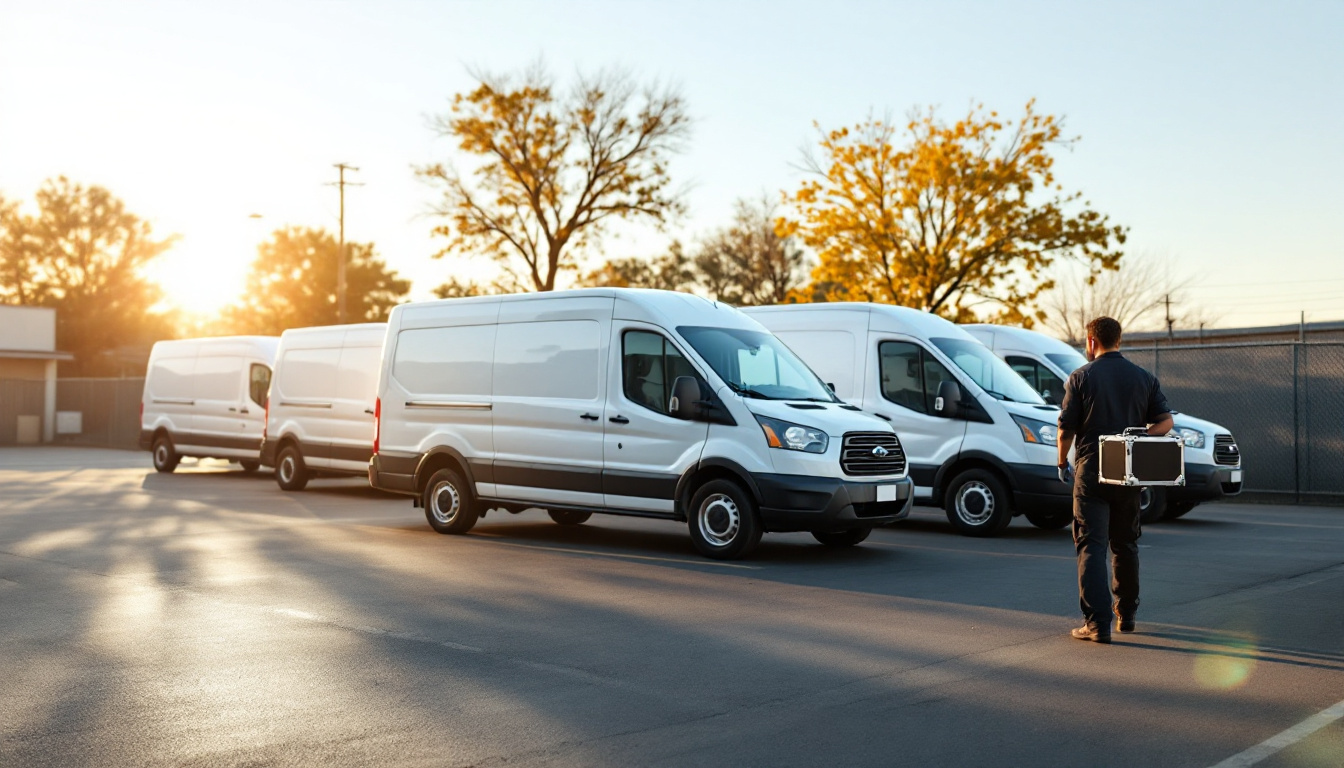
As of August 2026, fleet key replacement across Dallas–Fort Worth typically runs $130–$250 per transponder key, $180–$350 for fobik and remote-head keys, and $250–$500 for push-button proximity fobs — with additional keys cut and programmed during the same visit dropping to roughly $70–$180 each. All-keys-lost adds about $75–$200 per unit. The per-key number is the easy half of the budget; the hours your trucks sit is the expensive half. Call (817) 813-8746 and we will quote the whole program, not one key.
Quick Answer: The Four Numbers a Fleet Manager Needs
1. The first key on a unit costs the most. The charge covers labor plus a diagnostic session against the vehicle’s security system. That labor is spent once. Whether you walk away with one key or three, the technician has already opened the same session.
2. The second and third keys are mostly hardware. That is why the same-visit spare lands near $70–$180 instead of full price. A fleet that buys spares one at a time, months apart, pays the setup charge over and over for no reason.
3. Losing every key changes the job entirely. With nothing working to copy from, a credential has to be built from nothing, and on many platforms that means a security wait or module access. Budget the $75–$200 adder and expect a longer visit.
4. The invoice is not the cost. A loaded truck parked for a day is worth more than any key on this page. Fleets that price the downtime alongside the part make different — and cheaper — decisions.
Typical DFW Fleet Pricing, Line by Line
These are the ranges we quote across the Metroplex before seeing the vehicle, drawn from our own mobile work rather than a national average. For comparison, Kelley Blue Book’s dealership survey puts fob replacement at dealers commonly between $150 and $500 or more, before any tow.
| Line item | Typical DFW mobile range | Typical dealership path | Notes for a fleet |
|---|---|---|---|
| Transponder blade key, first key on the unit | $130–$250 | $200–$400 plus tow | Older vans, base-trim work trucks |
| Fobik or remote-head key | $180–$350 | $250–$500 plus tow | Common on 2000s and 2010s units |
| Proximity fob, push-button start | $250–$500 | $350–$650 plus tow | Late-model trucks and crew vehicles |
| Additional key, same visit | $70–$180 each | Usually full price each | The single biggest fleet saving |
| All keys lost, per unit | Add $75–$200 | Tow plus appointment | Longer visit; ownership proof required |
| Job-site lockout | $75–$175 | Not offered | Keys shut in a running truck |
| Ignition repair or rebuild | Quoted after diagnosis | Quoted after teardown | Worn cylinders on high-mileage units |
Read the fourth row twice if you run more than three vehicles. It is the difference between a key program and a series of emergencies.
Why Per-Unit Cost Falls When You Batch the Work
A single-vehicle call carries a fixed cost that has nothing to do with the key: travel across the Metroplex, setup, and the diagnostic session. Batch five units at one yard and that fixed cost is spread across five invoices instead of sitting on one.
The saving compounds when the vehicles share a platform. If eight of your units are the same generation of the same truck, the technician is working one procedure eight times rather than eight procedures once. That is a scheduling decision you control, and it is worth asking about when you call rather than after the fact.
There is a second, quieter saving. When we cut a spare during an existing session, the key blank and the remote are the only new costs. Compare that with a future emergency where the same key is made at six on a Friday evening with a crew waiting. Fleets almost never regret buying spares early; they routinely regret buying them late.
One habit is worth adopting while the technician is still on site: label and log every key before it leaves the yard. Unit number stamped or tagged, and a one-line record of which key belongs to which VIN and who is holding it. Most fleets we help have plenty of keys in circulation and no idea which trucks they open, which is how a company pays for a full recovery on a vehicle whose spare sat in a drawer the entire time. The log costs nothing and it is the difference between owning spares and merely having them.
If you want the consumer-side arithmetic for a single vehicle, our breakdown of dealership key replacement cost covers the same ground one unit at a time, and the metro-wide cost guide explains why your suburb does not change the price.
What Actually Changes Your Per-Unit Price
Six variables move a fleet quote, and none of them is the city the truck is parked in. Knowing which ones apply to your units is most of the reason a phone quote can be accurate before anyone opens a door.
Key technology. This is the largest single factor. A cut transponder blade is neither the same part nor the same procedure as a proximity fob that talks to the vehicle continuously. The generation of the truck usually decides this, not the trim badge, and a fleet bought over several model years will straddle two or three key types.
How many working keys survive. One working key on hand means the technician can add credentials to an existing system. Zero working keys means building the first credential from nothing, which is the adder in the table above and the reason all-keys-lost visits run longer.
Security waits built into the platform. Several manufacturers require a timed security period before a new credential is accepted. Nobody can shorten it — not us, not a dealer. On a fleet visit it is dead time, which is exactly why we sequence a waiting unit alongside work on the next truck rather than standing around.
Whether module work is involved. A key job is a key job until the immobilizer or body module turns out to be the real fault. That crosses from key pricing into programming pricing, and it is worth knowing the boundary before you approve anything.
How many units are staged together. Five trucks in one yard costs less per unit than five trucks at five addresses. This is the variable fleet managers control most directly and use least often.
Condition of the lock and ignition. High-mileage work trucks wear their cylinders out. A key that is correct but sloppy in a worn ignition is a repair question rather than a key question, and we quote ignition repair after diagnosis rather than sight unseen.
The Number That Is Not on the Invoice
Say a service van is worth $900 of billable work in a day. A $300 fob is a rounding error against a day lost to a tow and a dealer appointment. Yet the tow-in path is still the default at many companies, because the key is the visible line item and the downtime is buried in a dispatcher’s rescheduling.
Mobile service exists to delete that hidden line. We come to the yard, the job site, or the parking lot where the unit died. The truck never leaves your control, the tools stay aboard, and the crew is not sitting in a waiting room. Locksmithing is a distinct skilled occupation tracked by the U.S. Bureau of Labor Statistics, and the mobile version of it exists precisely because vehicles that cannot start also cannot drive to a service lane.
Lockouts follow the same arithmetic on a smaller scale. A driver who shuts the keys in a running truck in Irving has no key fault to fix at all — what it has is thirty to sixty minutes of a crew standing still. Mobile lockout service is priced as its own line for exactly that reason. The AAA figure that its members call for roughly four million lockouts a year tells you how ordinary this is; running a fleet simply raises your odds.
Since this guide was first published we have broken the three most expensive fleet scenarios out into their own pages, because each one is priced differently from a routine key. Lockouts on loaded commercial vehicles are covered in the fleet vehicle lockout cost guide; units bought at auction with one key or none are budgeted in what keys and programming really cost on auction trucks; and van platforms, which almost never price like the pickups sharing their badge, are broken down in the cargo van key replacement guide. For a single vehicle rather than a fleet, the car key replacement cost in Fort Worth guide is the closest equivalent.
Real-World Example: Eleven Vans, One Morning
Situation: A DFW service company ran eleven vans across three crews. Keys were shared, nothing was labeled, and two units had exactly one working key left. One had none — it had been parked behind the shop for six weeks because nobody wanted to pay for a tow.
What we did: One scheduled morning at their yard. We recovered the dead unit first as an all-keys-lost job, then cut and programmed spares for every van in the same session, working platform by platform to keep the procedures grouped. Each key was stamped and logged against a unit number before we left.
Result: Eleven vans with at least two working keys, one truck back in service after six weeks of sitting, and a per-unit cost well under what their first two emergency calls had cost them separately earlier that year.
The fleets that call us in a panic and the fleets that call us on a schedule pay very different amounts for the same keys. The only real difference is which day of the week they picked up the phone. — senior mobile technician, Metroplex Locksmith
Ownership Proof: Who Can Authorize Keys to a Company Vehicle
We verify ownership before making keys, every time, with no exceptions. For a company vehicle that normally means the registration or insurance card plus a driver’s ID, and a quick call to the owner or fleet manager when the names do not match the person standing there. It takes a few minutes, and it is the reason nobody can have keys cut to your truck while your crew is at lunch.
Set this up before you need it. A short authorization list — who may approve key work on which units — removes the most common delay on a fleet call. If your vehicles are titled to a company rather than an individual, keeping a copy of the registration in each glovebox saves a phone call at the worst possible moment.
On the licensing side, Locksmith licensing in Texas sits with the DPS Private Security Program — not by the trade-licensing agency people frequently assume. Ask any vendor for their license and their insurance. FTC consumer guidance on locksmith bait-and-switch describes the pattern worth avoiding: a phone quote that bears no relationship to the invoice once the technician is on site. A real fleet vendor gives you ranges up front and holds them. Professional standards through ALOA and the vehicle-security credentialing tracked by NASTF are reasonable things to ask about as well.
Security is the other half of ownership. Vehicle theft in the United States fell 17 percent in 2024 to 850,708 vehicles, per the National Insurance Crime Bureau — still a large number, and work trucks loaded with tools are attractive targets. If a key goes missing rather than breaking, treat it as a security event and not a convenience problem.
What to Have Ready When You Call
Fleet calls quote faster and finish faster when four things are on hand. First, the year, make, model and trim of each unit — trim matters more than people expect, because two identically badged trucks from the same year can take different keys.
Second, the VIN for each vehicle. It resolves the key type without guessing and lets us check the unit against the NHTSA recall lookup while we are there.
Third, an honest count of working keys per unit. One key and no keys are two different jobs at two different prices, and discovering the truth on site costs everyone time.
Fourth, the address where the vehicles will actually be, and a window when they will be parked and unlocked. A yard in Grand Prairie at seven in the morning before the crews roll out beats chasing trucks around Mansfield and Arlington all afternoon. If your units also need module work, our fleet ECM and PCM programming cost guide covers scheduling those into the same visit, and medium-duty operators should read the box truck key guide before booking.
Useful reading while you plan: car key replacement, key fob programming and transponder keys. Mopar-heavy fleets should start with our Ram, Dodge and Jeep work truck key guide, GM-heavy fleets with Chevy and GMC key replacement, and companies running import crew vehicles with our guide to replacing a Toyota car key. European service vehicles have their own timeline in the Audi and Volkswagen key guide.
Frequently Asked Questions
What does it cost to key an entire fleet in DFW?
There is no flat per-fleet number, but the arithmetic is predictable. Budget $130 to $500 for the first key on each unit depending on key type, then roughly $70 to $180 for every additional key cut in the same visit. Batching the work across one scheduled morning is what pulls the per-unit average down.
Is it cheaper to make spare keys before we lose one?
Almost always, and by a wide margin. A spare made during an existing programming session is mostly the cost of the hardware, while an emergency recovery with every key gone adds roughly $75 to $200 per unit plus the hours the vehicle sits. Fleets that buy spares on a schedule pay materially less per key than fleets that buy them in a crisis.
Can you come to our yard or a job site?
Yes — that is the entire service model. We are fully mobile across Dallas–Fort Worth and work at yards, job sites, parking lots and driveways. For fleet work the most efficient booking is a window when the vehicles are parked together, such as early morning before crews roll out or after they return.
What proof of ownership do you need for a company vehicle?
Registration or an insurance card for the vehicle plus a photo ID from the person on site, and a call to the owner or fleet manager if the names do not match. Keeping a copy of the registration in each glovebox and a short list of who may authorize key work removes the most common delay on fleet calls.
Can you make keys for a truck that has no working key at all?
Yes, on most fleet platforms. All keys lost means the credential is built from scratch rather than copied, so it takes longer and adds roughly $75 to $200 per unit. It is still normally cheaper than a tow plus a dealership appointment, and the vehicle never leaves your yard.
Do all our trucks have to be the same make to batch a visit?
No. Mixed fleets are the norm and we schedule them all the time. Grouping units by platform simply makes the visit faster, so telling us the mix in advance — how many of each year, make and model — lets us sequence the work and quote the morning accurately.
The Bottom Line
Fleet key cost is not really a key question. It is a scheduling question. The same eleven vans cost one number when they are handled in a planned morning and a very different number when they are handled as eleven separate emergencies over eighteen months. Spares are the cheapest insurance in the whole equation, and the second key on a unit will never be less expensive than it is during a visit you are already paying for.
Tell us what you run, how many keys you actually have, and where the trucks park. We will quote the program up front and come to you anywhere in the Metroplex. Call (817) 813-8746 or reach us through our contact page.