
Fleet TCM Programming Cost in DFW (2026): Reprogram, Relearn or Replace
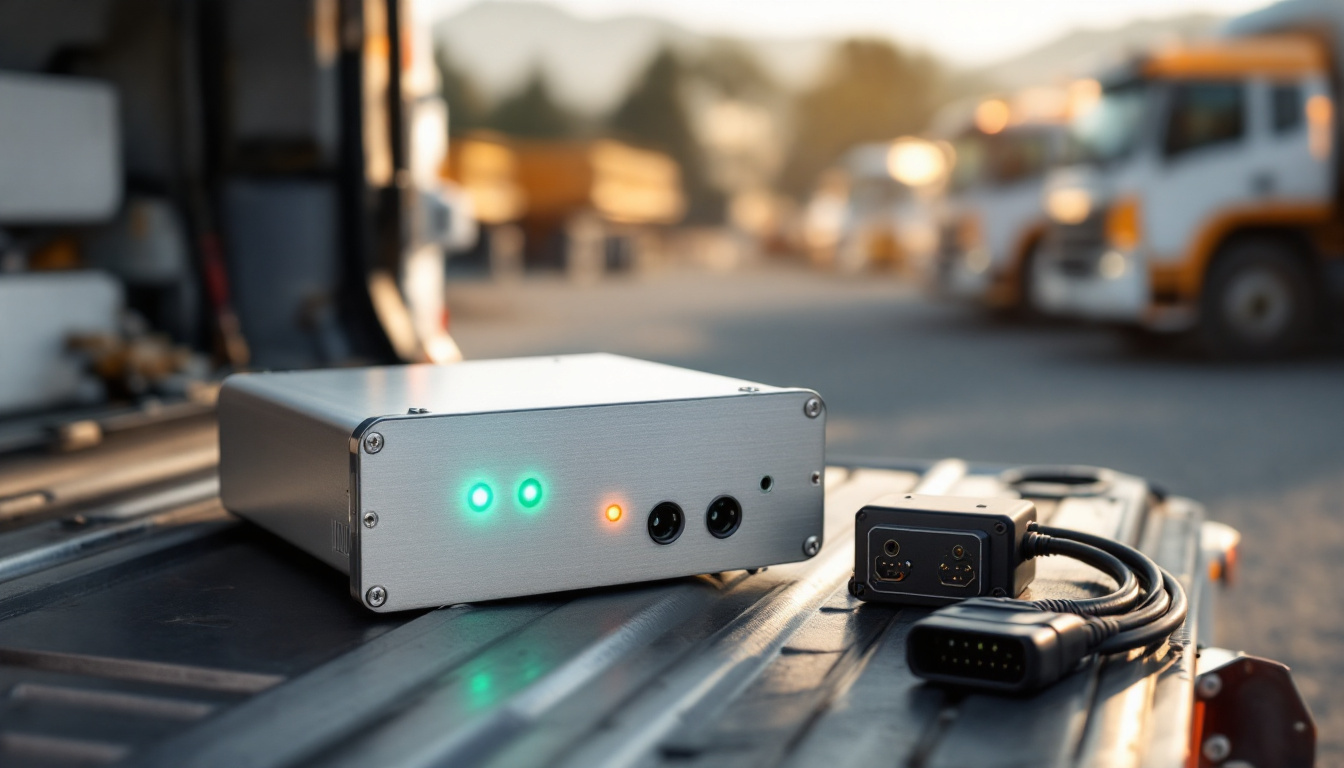
As of October 2026, transmission control module work on fleet vehicles across Dallas–Fort Worth runs $150–$450 to program or reconfigure the controller already in the truck and $250–$700 when a replacement or used unit has to be sourced and matched to the VIN, with a $95–$185 diagnostic visit that is often credited toward the repair. On a truck that tows and hauls for a living, the expensive mistake is not the programming. It is paying for a transmission when the fault was the computer that runs it. Call (817) 813-8746 with the VIN and the fault codes if you have them.
Quick Answer: Three Lines on a Fleet TCM Quote
Diagnostic visit — $95–$185. Charged when nobody yet knows whether the controller, the wiring or the transmission itself is at fault. It is often credited into the repair when we do the work. For a fleet this is the line with the best return, because it decides between a job measured in hundreds of dollars and one measured in thousands.
Programming or configuration of the existing controller — $150–$450. The hardware is sound but the software or the learned values are wrong for the truck: a controller that lost its calibration, a rebuilt transmission that was never relearned, a software update that addresses a known shift complaint. Nothing is replaced.
Replacement or used controller, VIN-matched — $250–$700. A new, remanufactured or salvage controller is fitted and taught the truck’s identity. The band is wide because the part is the variable: some controllers are a box on a bracket, and some live inside the transmission itself.
What is never on our quote: a tow. The work is done through the diagnostic port wherever the unit is parked.
The Fleet Price Table
These are first-party mobile ranges from our own work at DFW yards and job sites, given by phone from a VIN and refined once we are connected to the truck. The dealership column reflects what fleet operators tell us they were quoted, not a published price list.
| Job | Typical DFW mobile range | Dealership route, typically | What moves the number |
|---|---|---|---|
| Diagnostic visit, shift or limp-mode complaint | $95–$185, often credited | Diagnostic fee, plus the tow in | Whether the fault is present when we arrive |
| Programming or configuration, existing controller | $150–$450 | Service-lane appointment | Whether updated software exists for the VIN |
| Relearn after a rebuilt or replaced transmission | $150–$450 | Often left to the transmission shop | Platform, and whether a road test is required |
| Replacement or used controller, VIN-matched | $250–$700 | Part at list price plus programming | Where the controller lives and part availability |
| Key or immobilizer sync when the engine computer is involved | $120–$250 | Separate line, separate visit | Whether a working key is present |
| Extra key made while we are already at the truck | $70–$180 | Separate appointment | Key type on the unit |
| Tow to a service lane | Not needed — mobile | $100–$250 before any work starts | Distance, and whether the truck is loaded |
The fifth row needs an explanation, because it surprises people. On some trucks the transmission has its own computer. On others, transmission control is a function of the engine computer, and replacing that computer brings the anti-theft system into the job. When that is the case the quote includes a key sync, and we say so before anyone agrees to anything.
What Changes the Price on a Work Truck
A fleet manager does not need to know how a shift solenoid works. What matters is knowing which four questions decide the line of the table a truck lands on.
Where the controller lives. This is the largest single variable. On many trucks the controller is a separate module bolted to a bracket under the hood or behind the dash, held there and one or two connectors. It can be swapped in a parking lot. On many others it sits inside the transmission, bolted to the valve body and bathed in fluid. Replacing that kind means dropping the pan, and it turns a programming job into a job with a mechanical half. We do the electronic half. The mechanical half belongs to your shop or a transmission specialist, and the quote says which is which.
Whether the hardware has actually failed. A controller with corrupted or outdated software behaves like a broken one. It holds a gear, shifts hard, or drops into limp mode. Reprogramming the existing unit sits at the bottom of the table. Replacing it sits at the top. The diagnostic visit is how you find out which truck you have before a part is ordered.
New, remanufactured or used. A new controller is the simplest to program and the hardest to find for an older truck. A used one is available this week from a salvage yard but arrives believing it belongs to another vehicle, with that vehicle’s VIN, axle ratio and tire size stored in it. Matching it to your truck is the $250–$700 line, and it only works when the donor is close enough. Read us the part number before you buy, not after it is installed.
What else changed on the truck. Larger tires, a different axle ratio, a body that added two thousand pounds, a plow package. The controller schedules shifts from numbers that describe the truck as it left the factory. When the truck no longer matches those numbers, shift quality suffers and the fix is configuration rather than parts. Upfitted units deserve this question every time. We wrote about the general version of the problem in a van that reports no key detected after an upfit.
What does not change the price is where the unit is parked. A yard in Grand Prairie and a job site north of Denton are quoted from the same table.
Limp Mode Is Not a Diagnosis
Most fleet calls about a transmission controller start with the same sentence: the truck is stuck in one gear and the wrench light is on. That condition is called limp mode. It is a safety strategy, not a fault. The controller has seen something it does not trust and has locked the transmission into a single gear to protect it. The something can be many things, and only a few of them are the controller.
Low or unstable voltage. A weak battery, a failing alternator or a corroded ground produces transmission codes on a healthy transmission. Work trucks with inverters, liftgates and light bars are hard on charging systems. We check voltage first because it is free and because it is the answer more often than anyone expects.
A harness or connector fault. The connector at the transmission lives in heat, road spray and vibration. A chafed harness over a crossmember or fluid wicking into a connector creates faults that appear on a hot afternoon and vanish by morning. These trucks are often diagnosed three times before someone looks at the plug.
A sensor or solenoid inside the transmission. Speed sensors, pressure switches and shift solenoids fail on their own. The controller reports them accurately and gets blamed for the message.
Software. Manufacturers release updated calibrations for shift complaints, and a truck that was never updated may be running a version with a known problem. This is the cheapest genuine fix on the list.
The controller. It does fail. Heat is the usual killer, which is why controllers that live inside the transmission have a harder life than the ones on a bracket.
The order matters. A shop that starts at the bottom of that list and works up will sell a controller the truck did not need. Starting at the top is slower by twenty minutes and cheaper by hundreds of dollars. If the truck also has engine-side symptoms, the broader checklist is in signs of a car computer problem.
After a Rebuild: The Step Transmission Shops Skip
A large share of our fleet controller work follows a repair somebody else did well. A transmission is rebuilt or replaced, the truck is driven off the lift, and it shifts badly. The rebuild is blamed. Often the rebuild is fine.
Modern automatics learn. Over thousands of miles the controller adjusts clutch fill times and shift pressures to match the wear in that specific transmission. Put a fresh transmission behind a controller that still holds the old unit’s learned values and it will apply clutches as if they were worn ones. The result is flares, bangs and delayed engagement on a transmission with new parts in it.
The fix is a relearn, done with a scan tool and usually a short road test, and it sits in the $150–$450 band. Many transmission shops have the equipment and do it as a matter of course. Many do not, particularly on newer platforms where the procedure requires manufacturer-level access. If a rebuilt truck comes back shifting wrong, ask the shop one question before authorizing anything else: was the adaptive data reset and relearned?
The second version of this problem is a used transmission with the controller inside it. The controller bolted inside that salvage unit still answers to the truck it was pulled from. On some platforms the result is a truck that may run poorly, set communication codes, or refuse to shift correctly until that controller is matched to the VIN. That is the upper band of the table, and it is a job to plan before the used transmission is bought rather than after it is bolted in. The related failure on the engine side is covered in a new module is in and the fleet truck still will not start.
How the Common Fleet Platforms Differ
The VIN settles the details and we quote from it. The broad patterns below are what we see in DFW yards, stated with the hedges they deserve.
GM half-ton and heavy-duty trucks and vans. Many GM six-speed automatics carry the control unit inside the transmission, attached to the valve body. Replacement means a pan-off job plus programming. Trucks with the heavy-duty commercial automatic typically carry a separate controller in the engine bay, which is far easier to reach. The key side of this family is in our guide to Chevy and GMC key replacement in DFW, and the heavy-duty variants are in GM HD work truck keys.
Ford trucks and vans. On many late-model Ford trucks the transmission is managed by the powertrain computer rather than by a stand-alone box. A transmission software concern is then an engine computer programming job, and a replacement computer brings the anti-theft relearn with it. That is the key sync row of the table. The engine-side numbers are in fleet ECM and PCM programming cost in DFW.
Ram trucks. Many Ram diesels pair the engine with a transmission that has its own controller, separate from the engine computer. The two have to agree with each other, and a replaced controller needs configuration to the truck before the shift quality is right.
Medium-duty and cab-over trucks. Box trucks and low-cab-forward chassis commonly use commercial transmissions with a dedicated external controller. Software access is more restricted than on light trucks, and on some of these platforms programming remains a dealer function. When it is, we tell you during the first call, not at the yard.
European vans and company cars. Many European automatics use a combined hydraulic and electronic unit inside the transmission. Replacement and coding on those is specialist work with a narrower list of what can be done in the field, so those are always quoted by VIN.
Real-World Example: The Dump Body That Would Not Leave Third
Situation. A landscape supply company in Mansfield had a one-ton chassis cab with a dump body that dropped into limp mode twice in a week, both times loaded. A general shop pulled a pressure-related code and quoted a remanufactured transmission. The owner asked us for a second opinion because the truck had only been in service three years.
What we did. A diagnostic visit at the yard, at the $95–$185 line. Charging voltage sagged badly whenever the dump hoist pump ran. The pump had been wired to the nearest convenient battery feed during the upfit, and every lift cycle pulled system voltage low enough for the transmission controller to distrust its own pressure readings. The controller software was also two versions behind. We updated the calibration and reset the learned values, and the upfitter moved the hoist pump onto its own properly sized feed. The diagnostic was credited into the programming charge.
Result. One visit, no tow, no transmission. The truck has not gone into limp mode since, and the company had the same hoist wiring checked on its second dump truck.
A transmission code tells you what the computer saw, not what broke. On a work truck I check the voltage before I believe anything else on the screen, because half the transmission faults I am called to are electrical problems wearing a transmission’s name tag. — senior mobile technician, Metroplex Locksmith
The Dealership Route, Honestly
A franchised service department can program a controller for its own brand and has first access to new calibrations. For a truck under powertrain warranty that is where the job belongs, and we will tell you so. Outside warranty, a fleet runs into three costs that do not appear on the estimate.
The truck has to get there. A unit in limp mode can sometimes be driven, slowly, and sometimes cannot. A tow runs $100–$250 before a technician has opened the hood.
The truck then waits its turn. The programming takes an hour or two. The queue ahead of it can take days, and a revenue unit earns nothing in a queue.
And the used-part path is usually closed. Most service departments program parts bought at their own counter. When the new controller is on backorder, the answer is to wait. The wider comparison between the two routes is in auto locksmith versus dealership in DFW.
Texas Licensing, Security Access and Quotes That Hold
Programming that touches a vehicle’s anti-theft system is security work, and Texas regulates who may perform it. Locksmith companies in this state are licensed through the Texas Department of Public Safety Private Security Program. Get that license number before anyone plugs into a truck.
Legitimate access to manufacturer security functions on late-model vehicles runs through the National Automotive Service Task Force, which maintains the Vehicle Security Professional registry. Professional conduct standards for the trade are published by the Associated Locksmiths of America. A vendor who cannot explain how they are authorized to do a security relearn is one to be careful with.
On price, the Federal Trade Commission’s consumer guidance on bait-and-switch service quotes applies to module work as much as to lockouts. A figure given by phone from a VIN should hold when the technician arrives. For context on what skilled labor in this trade costs, the Bureau of Labor Statistics classes locksmiths and safe repairers as a distinct skilled occupation with a national average wage of roughly $50,000 a year.
One free check is worth making before any paid one. The National Highway Traffic Safety Administration recall lookup takes a VIN and occasionally returns a transmission software campaign. A covered update beats a paid one. And if the job ends with new keys, the Kelley Blue Book survey of dealership fob pricing, at $150–$500 and up, is a fair outside benchmark for that part of the bill.
What to Have Ready When You Call
The VIN. Year and model do not identify the transmission or where its controller lives. The VIN does.
The codes, exactly as read. If a shop or a parts-counter scanner pulled codes, send the list. A photo of the screen is fine.
What was done to the truck recently. A rebuild, a used transmission, a battery, an alternator, new tires in a different size, a body or hoist installation. Controller faults nearly always follow an event.
When it happens. Cold, hot, loaded, towing, after a long idle. Intermittent faults are diagnosed from patterns, and the driver knows the pattern better than anyone.
Whether a part has been bought. If a controller or a used transmission is already on a pallet, read us the part number before it goes in.
We program transmission controllers at yards and job sites from Dallas to Arlington and across the metroplex. The service detail is on our TCM programming page, the wider category is under car computer reprogramming, and the question most people search first is answered in ECM programming near me in Fort Worth. Booking is through our contact page.
Frequently Asked Questions
How much does TCM programming cost for a fleet truck in DFW?
As of October 2026, programming or reconfiguring the controller already in the truck runs $150 to $450, and a replacement or used controller sourced and matched to the VIN runs $250 to $700. A diagnostic visit is $95 to $185 and is often credited toward the repair if we carry it out.
My truck is stuck in one gear. Does it need a new transmission controller?
Not necessarily. Limp mode is a protective strategy, and low system voltage, a damaged harness, a failed sensor or outdated software all trigger it on a healthy controller. A diagnostic visit at $95 to $185 separates those causes before a part is ordered, and it is usually the cheapest money spent on the truck.
The transmission was just rebuilt and it shifts badly. Is the rebuild at fault?
Often it is not. The controller stores learned values from the old transmission and applies them to the new one, which produces harsh or delayed shifts. Resetting and relearning that adaptive data typically runs $150 to $450 and should be done after any rebuild or replacement on a modern automatic.
Can you program a used transmission controller from a salvage yard?
On many platforms, yes, in the $250 to $700 band. A used controller carries its donor vehicle’s VIN and configuration and has to be matched to your truck. It must be a close match by part number and generation, so call with the part number before buying rather than after the part is installed.
Does the truck have to be towed to you?
No. Programming is done through the diagnostic port wherever the truck is parked, at your yard or on a job site. That avoids a tow that typically costs $100 to $250. When the controller sits inside the transmission, the mechanical removal is done by your shop and we handle the programming.
Will transmission controller work affect the truck’s keys?
Only on trucks where transmission control is part of the engine computer. Replacing that computer involves the anti-theft system, so the keys have to be synced afterward, typically $120 to $250 when a working key is present. On trucks with a separate transmission controller the keys are not involved at all.
The Bottom Line
Fleet transmission controller work in DFW sits between $150 and $700 depending on whether the existing unit can be programmed or has to be replaced and matched, and it starts with a $95–$185 diagnostic that is often credited. The number worth protecting is the one that is not in the table: the price of a transmission bought because a code had the word transmission in it.
Ask for a voltage check and a harness check before a controller is condemned, ask for a relearn after any rebuild, and ask what happens to the keys if the engine computer is involved. Call (817) 813-8746 with the VIN and the codes, or use our contact page, and we will come to the truck.