
Ford Super Duty Key Replacement by Generation: F-250, F-350 and F-450 in DFW
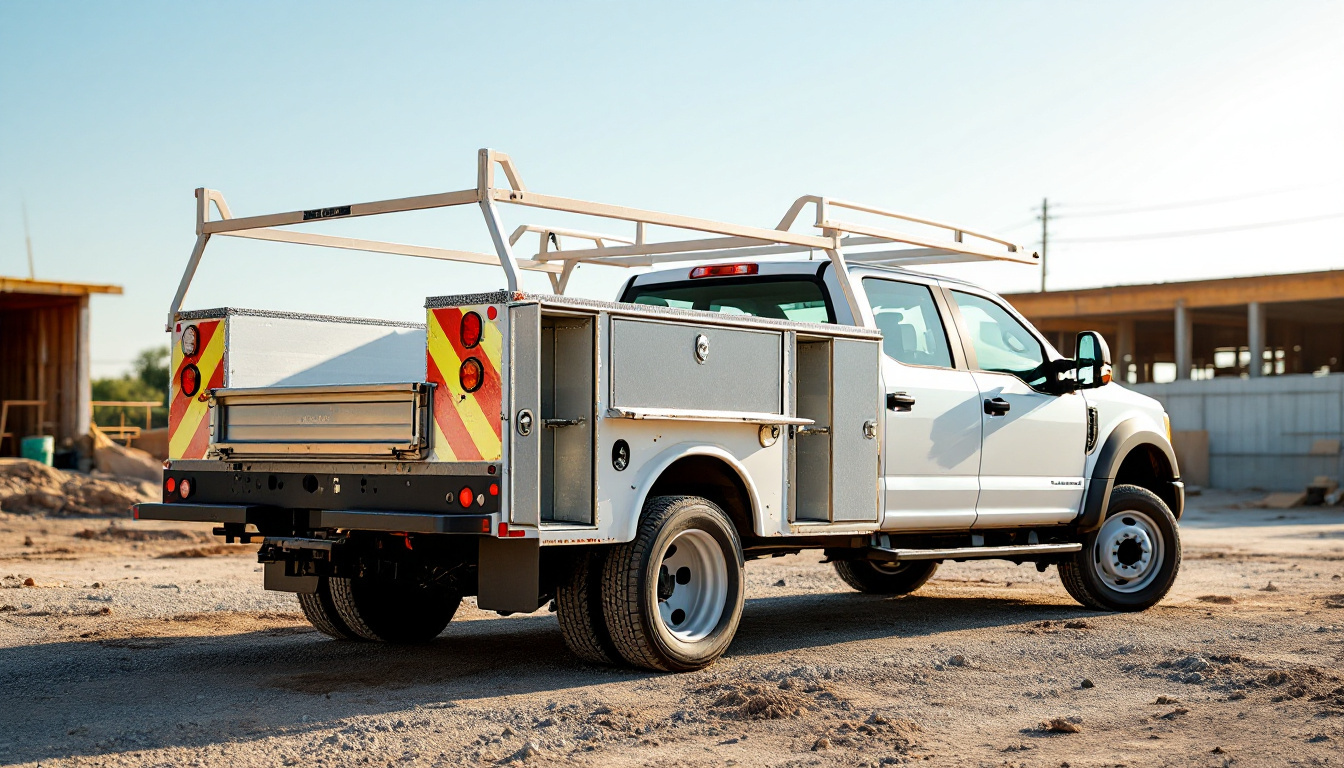
As of August 2026, a Ford Super Duty key in Dallas–Fort Worth runs about $130–$250 for a transponder blade key on older F-250, F-350 and F-450 trucks, $180–$350 for a remote-head key on the middle generations, and $250–$500 for a proximity fob on late-model push-button trims. All keys lost adds $75–$200 and a longer visit. The generation matters less than the option content, so the VIN, not the year on the door, is what we ask for. Call (817) 813-8746 with it and we will price the truck properly before we roll.
Quick Answer: Four Things That Set a Super Duty Key Price
1. Which key system the truck was built with. A blade key with a chip in the head, a remote-head key that folds the remote into the same part, and a proximity fob for push-button start are three different parts at three different prices. Trucks from the same model year can carry any of them.
2. Whether a working key still exists. One key that starts the truck means we can usually add another quickly. No key at all means an all-keys-lost procedure, a $75–$200 surcharge and proof of ownership before anything begins.
3. What the truck has been through. A chassis cab with a service body, a flatbed or a crane has had wiring and panels moved. That does not change the key, but it occasionally changes where the antenna sits and how reliably the truck reads the key.
4. How many you are buying at once. A second key cut and programmed during the same visit is $70–$180. The same key on a separate call-out later is full price. On a fleet of Super Dutys that difference is the whole budget.
Super Duty Key Systems by Generation
The Super Duty has been in continuous production since the late 1990s, and DFW fleets run every generation of it simultaneously. Here is how the key hardware has moved, with the caveat that sits over this entire article: trim and option content decide what a specific truck has, and two trucks built the same week can differ.
| Generation | Typical key system | Typical DFW mobile range | What actually varies |
|---|---|---|---|
| 1999–2007 F-250 / F-350 / F-450 | Transponder blade key, separate remote on equipped trims | $130–$250 | Base work trucks often have no remote at all |
| 2008–2010 | Transponder blade key, remote separate or integrated by trim | $130–$250 | Remote presence varies more than the ignition key does |
| 2011–2016 | Transponder blade or remote-head key | $130–$350 | Turn-key ignition throughout; remote-head on higher trims |
| 2017–2022 | Remote-head key, or proximity fob on push-button trims | $180–$500 | Push-button start is an upper-trim feature, not a year |
| 2023 and newer | Remote-head or proximity fob, depending on build | $250–$500 | Proximity is more common but still not universal |
| Any generation, second key same visit | Matches the truck | $70–$180 each | The cheapest key you will ever buy for the truck |
| Any generation, all keys lost | Built from scratch | Add $75–$200 | Longer visit; ownership proof required |
| Chassis cab with an upfit body | Same as the cab it left the factory as | Same as above | The body builder does not change the key system |
The single most useful line in that table is the second-to-last. Fleets routinely assume a flatbed or a service body means a different key. It does not. The chassis is a Super Duty and the key belongs to the chassis, exactly as we explained for cutaway vans in our guide to cargo van key replacement across DFW.
Why the Model Year Is the Wrong Question
Ask a parts counter for a key for a 2019 F-350 and the honest answer is another question. That truck could be an XL fleet unit with a turn-key ignition and a remote-head key, or a Platinum with push-button start and a proximity fob. Same year, same badge, two different parts and a spread of a couple of hundred dollars.
The reason is that Ford has offered push-button start on Super Duty as an upper-trim feature rather than a fleet-wide change. Work trucks — the XL and XLT units that fill DFW yards — kept the turn-key ignition long after the top of the range moved on. That is good news operationally, because a physical ignition key is cheaper to replace and easier to keep spares of.
The VIN settles it in seconds. It tells us the build, the option content and therefore the key, so the opening question here is always seventeen characters, never a model year. Guessing costs a return trip, and a return trip on a truck that cannot move is the expensive kind.
The Encryption Story, Honestly
Ford’s immobilizer has been through several generations since the late 1990s, and later ones use stronger encryption than the earliest. That has two practical consequences for a fleet, and the honest version of both is less dramatic than the internet suggests.
First, procedures differ by generation. What works on a 2004 truck is not what works on a 2021 one, which is why equipment and software matter more in this trade every year. Second, all-keys-lost on newer platforms frequently involves a timed security wait — the vehicle deliberately makes the technician sit through a delay before it will accept a new key. That wait is a feature, not a fault. It is there so that stealing a truck cannot be a two-minute job.
What that means for you is scheduling, not capability. An all-keys-lost visit on a late-model Super Duty takes longer than adding a spare to a truck that already runs, and we tell you that when we quote rather than discovering it in your yard at four in the afternoon. Technicians who work on vehicle security commonly register with the National Automotive Service Task Force Vehicle Security Professional programme, which exists precisely because modern key work sits at the boundary between locksmithing and secured manufacturer data.
Real-World Example: Six Super Dutys and One Key Each
Situation. A concrete contractor in Mansfield ran six Super Dutys across four model years — two older F-250s, three 2015–2018 F-350s and one late F-450 chassis cab with a service body. Every truck had exactly one key. A driver dropped his in wet concrete and the office called us, then asked what it would cost to stop this happening again.
What we did. We took the six VINs by email the afternoon before, which showed three different key types across the fleet, including one proximity fob nobody in the office knew they had. We arrived at the yard at seven with all three types on the van. The lost-key truck was handled first, then each of the other five got a second key cut and programmed at the same-visit rate. Total time on site was a morning.
Result. Twelve keys across six trucks instead of six, no vehicle towed, no vehicle out of service beyond its turn in the queue, and a printed sheet showing which unit takes which key type. The F-450 with the service body took exactly the same key as the pickup it was built alongside, which surprised the owner more than anything else that morning.
A Super Duty fleet with one key per truck is not a fleet, it is six future emergencies. Adding the second key while we are already standing there is the cheapest thing on our price list and the thing fleets put off longest. — senior mobile technician, Metroplex Locksmith
What Actually Goes Wrong on Work-Truck Super Dutys
Beyond lost keys, three patterns account for most of what we see on these trucks in DFW.
Worn blades on shared trucks. A key used ten times a day by three drivers wears faster than the ignition does, and a rounded blade eventually stops turning a healthy cylinder. Replacing the key at $70–$180 while the cylinder is still good is the difference between a key job and a $120–$380 ignition job.
Heavy key rings. A ring loaded with padlock keys, shop keys and a personal fob hangs several ounces off a cylinder designed for the weight of a key. On a truck that gets in and out of the ignition fifteen times a day, that side load is what wears the barrel oval.
Remotes that stop working while the key still starts the truck. Almost always the coin cell or a damaged remote housing, not the immobilizer. A key can start a truck perfectly and have a completely dead remote, because those are two separate functions in the same piece of plastic.
Trucks working out of yards in Arlington and Grand Prairie take more abuse than personal trucks do, and these three faults show up years earlier as a result. None of them require a dealership.
Dealership Versus Mobile on a Super Duty
The dealer can key your truck. The friction is structural: the truck has to get there. A Super Duty with no working key does not drive to a service lane, and towing a one-ton chassis cab with a service body is not a cheap call. That is $100–$250 before the key work starts, plus whatever the service department schedules.
Dealer key prices are no bargain either. Kelley Blue Book puts dealer fob replacement at roughly $150 to $500 and up on ordinary passenger vehicles — about $150 for a 2017 Honda Accord and roughly $500 for a 2023 BMW X7 — and heavy-duty trucks sit at the upper end of that shape rather than below it.
Mobile work removes the tow and the lane entirely. We come to the yard, the job site or the shoulder, which is the comparison we ran through in detail in our piece on auto locksmith versus dealership work in DFW. The consumer version of the same arithmetic sits in our guide to car key replacement cost in Fort Worth, and for module-level work the numbers are in car computer programming cost in Arlington and DFW.
Ownership, Licensing and Who You Let Near the Truck
Any legitimate locksmith will ask for proof that you own the truck before cutting a key, and on a company vehicle that means registration or title in the entity name plus identification from someone the company has authorised. This is not paperwork for its own sake. A pickup is one of the most stolen vehicle classes in the country — the National Insurance Crime Bureau’s 2024 figures put the Chevrolet Silverado 1500 third nationally at 21,666 units, inside a total of 850,708 vehicles stolen, down 17 percent from 1,020,729 in 2023. Full-size trucks are targets, and a company that makes keys without checking is a company that would make one for someone else’s truck too.
Locksmith work in Texas is licensed through the Department of Public Safety Private Security Program — that is the licensing body for this trade in this state. Many technicians additionally hold Associated Locksmiths of America credentials, and the occupation is tracked separately by the Bureau of Labor Statistics among locksmiths and safe repairers. If a truck of yours has an open recall it is worth checking the VIN through the NHTSA lookup while the fleet is parked.
What to Have Ready When You Call
- The VIN. Not the year. The VIN identifies the key system and prevents a return trip.
- How many working keys the truck has right now. One working key and no working keys are different jobs at different prices.
- Whether the ignition turns with a key or the truck has a start button. Thirty seconds of looking saves us both a guess.
- Whether the truck has an upfit body. It does not change the key, but it changes where we park and how long access takes.
- Registration or title in the company name plus ID. Required before any key is cut.
If several Super Dutys need keys, send the whole VIN list. Per-unit cost falls when we work down a row instead of making separate trips, which is the same logic laid out in our guide to fleet key replacement cost in DFW.
Frequently Asked Questions
How much is a key for a Ford F-250 or F-350 in DFW?
Typically $130–$250 for a transponder blade key on older Super Dutys, $180–$350 for a remote-head key on the middle generations and $250–$500 for a proximity fob on push-button trims. A second key cut on the same visit is $70–$180. All keys lost adds $75–$200 for the longer procedure.
Why do you need the VIN instead of the year?
Because Super Dutys of the same model year were built with different key systems depending on trim. A 2019 F-350 might have a turn-key ignition with a remote-head key or push-button start with a proximity fob, and those are different parts at different prices. Seventeen characters settle it; four digits cannot.
Does a service body, flatbed or crane change the key?
No. An upfit body is bolted to a Super Duty chassis and the ignition, transponder and immobilizer all belong to that chassis. The key is the same one the truck left the factory with. The body only affects access and where we park while we work.
My key starts the truck but the remote stopped working. Is that the immobilizer?
Almost never. Starting the truck and operating the door remotely are two separate functions in one piece of plastic, so a dead remote with a working key is usually the coin cell or a damaged housing. If the truck starts, the transponder side is healthy and the immobilizer is not your problem.
Can you make a key if the truck has none at all?
Yes, and it is a longer visit. All keys lost on a late-model Super Duty commonly involves a timed security wait built into the vehicle, plus proof of ownership in the company name before we start. Budget the key price plus the $75–$200 all-keys-lost surcharge and allow extra time on site.
Do you come to the job site or does the truck need towing?
We come to the truck. That is the point of mobile service, and on a one-ton chassis cab it separates a same-day fix from a $100–$250 tow plus a dealership appointment. Yards, job sites and roadsides across Dallas–Fort Worth are all normal for us.
The Bottom Line
Super Duty key pricing spreads from $130 to $500 depending on what the truck was actually built with, and option content decides that rather than the year on the door. A blade key on an older F-250 is one of the cheapest keys in this trade; a proximity fob on a late Platinum is one of the more expensive. The VIN tells us which in seconds.
The best money any Super Duty fleet spends is the $70–$180 second key, bought on a visit that was already happening. Send the VIN list and we will quote the fleet properly. Call (817) 813-8746 or use our contact page, and see our Ford, transponder key and key fob programming pages, or our broader guide to Ford key replacement in DFW.