
Auto Key Fob Batteries: Dallas-Fort Worth Guide
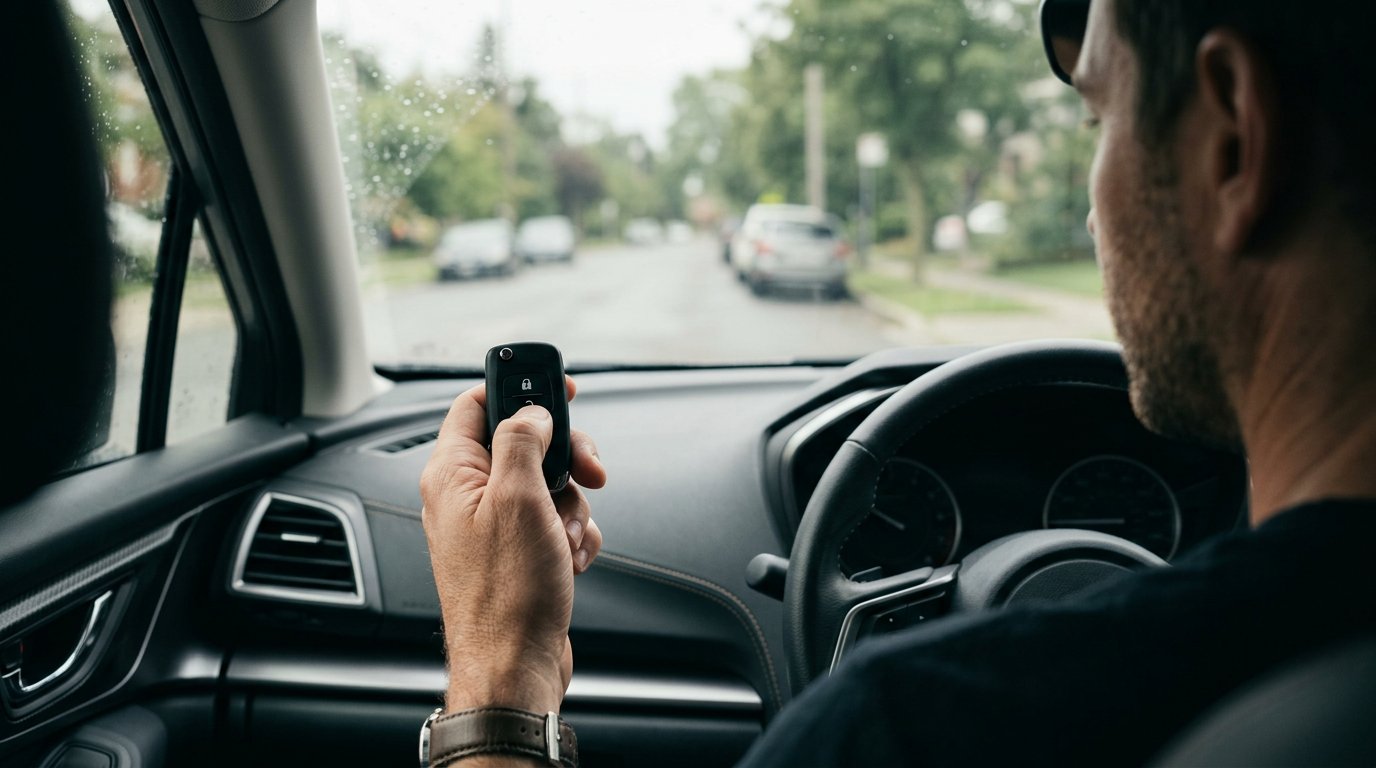
Auto Key Fob Batteries in Dallas-Fort Worth
Auto key fob batteries typically last three to four years, depending on how often you use the remote features and environmental conditions. When your key fob stops working or requires multiple presses to unlock your car, the battery is usually the first thing to check—and in most cases, you can replace it yourself in under five minutes with a new battery that costs just a few dollars. Call or text (817) 813-8746 if you need help diagnosing key fob problems anywhere in the Dallas-Fort Worth area, including Fort Worth, Dallas, Arlington, Plano, and Irving.
Understanding when and how to replace auto key fob batteries saves Dallas-Fort Worth drivers the inconvenience of being locked out and helps you avoid unnecessary trips to the dealership. This guide walks through battery life expectancy, warning signs, replacement procedures, and when a dead fob actually signals a bigger problem that requires professional help.
How Long Auto Key Fob Batteries Last and Why They Fail
Most auto key fob batteries last between three and four years under normal use. The typical coin-cell battery inside your fob has a finite number of charge cycles, and each time you press a button to lock, unlock, or open the trunk, you drain a small amount of power.
Heat accelerates battery drain significantly. In Dallas-Fort Worth, summer dashboard temperatures can exceed 150 degrees Fahrenheit, which shortens battery life when you leave your keys in a hot car. Cold snaps also reduce battery performance temporarily, though extreme heat causes permanent degradation faster than cold.
Frequent use of remote start, panic buttons, and trunk release drains batteries faster than simple lock and unlock commands. If you use your fob ten or more times daily, expect to replace the battery closer to the three-year mark rather than four.
Signs Your Auto Key Fob Battery Is Dying
A weak battery announces itself in predictable ways before it fails completely. The earliest warning is reduced range: your fob might work only when you're standing within a few feet of the vehicle, rather than the usual fifteen to thirty feet. Our post on work truck key fob short range covers this symptom in detail.
You may also notice intermittent response—the doors unlock on the second or third press instead of the first. Some vehicles display a low-battery warning on the dashboard when the fob signal weakens, though not all makes and models include this feature.
Complete failure is the final stage. When you press any button and nothing happens, the battery is usually dead. Before replacing it, try your spare fob if you have one; if the spare works, the problem is the battery in your primary fob. If neither fob works, the issue may be with the vehicle's receiver or another electronic component, and you should contact a locksmith or dealership.
If your key fob is completely dead and you cannot unlock the door, most vehicles have a hidden physical key blade inside the fob that lets you unlock the driver's door manually.
What Type of Battery Your Key Fob Uses
Auto key fob batteries are small, round coin-cell batteries. The most common types are CR2032, CR2025, and CR2016, though some fobs use CR1620, CR1632, or other sizes. The "CR" designation indicates lithium chemistry, and the four-digit number tells you the diameter and thickness: a CR2032 is 20 millimeters in diameter and 3.2 millimeters thick.
Your owner's manual lists the exact battery type for your key fob, usually in the section covering keyless entry or remote operation. If you no longer have the manual, you can open the fob and read the number printed on the old battery, or search online for your vehicle's year, make, and model plus "key fob battery type."
These batteries are available at nearly every pharmacy, grocery store, hardware store, and big-box retailer across Dallas-Fort Worth. Prices typically range from two to six dollars for a single battery or a multi-pack. Name-brand batteries from Energizer, Duracell, or Panasonic generally last longer than generic store brands, though both will work.
Do not substitute a different battery size even if it fits loosely inside the fob. Using a thinner battery can cause poor contact and intermittent function; using a thicker one can prevent the fob case from closing properly or damage internal components.
How to Replace Your Auto Key Fob Battery Yourself
Most key fobs open with a small flathead screwdriver, a coin edge, or your fingernail. Look for a seam or notch along the edge of the fob case, insert the tool gently, and twist to pop the two halves apart. Some fobs require you to slide out the physical key blade first before you can access the battery compartment.
Once open, note which side of the battery faces up—most coin cells have a plus sign on the positive side, which typically faces you when you open the fob. Remove the old battery by sliding it out or lifting it gently with a fingernail or non-metal tool. Avoid touching the new battery's contacts with your fingers; oils from your skin can reduce conductivity and shorten battery life.
Insert the new battery in the same orientation as the old one, press the fob halves back together until they snap securely, and test all buttons to confirm the fob works. If the buttons still do not respond, double-check the battery orientation, make sure the fob case is fully closed, and verify you installed the correct battery type.
This entire process takes under five minutes and requires no special tools beyond what you likely have in a kitchen drawer. Replacing the battery yourself costs a few dollars and saves a trip to the dealer, where battery replacement service can cost twenty to fifty dollars for the same simple task.
When to Call a Locksmith Instead of Changing the Battery
A fresh battery does not always restore fob function. If you install a new battery and the fob still does not work, the problem may be internal damage, a worn-out button membrane, corrosion on the circuit board, or a de-synchronized signal between the fob and your vehicle.
Water damage is common in Dallas-Fort Worth, especially during heavy rainstorms or if you accidentally wash the fob in your pocket. Even a small amount of moisture can corrode the circuit board and prevent the fob from transmitting. If you see visible corrosion or the fob was recently wet, a replacement fob is usually the solution, not just a battery.
Physical damage from drops or crushing can crack internal components. If the fob case is cracked or buttons no longer click properly, internal parts may be broken.
Some vehicles require reprogramming after a battery change, though this is uncommon. Most fobs retain their programming when you swap the battery, but a few models—particularly older European and luxury brands—lose the sync and need a relearn procedure. If you replace the battery and the fob does not work, consult your owner's manual for reprogramming instructions before assuming the fob is defective.
When a new battery and reprogramming attempts both fail, you need a replacement fob and key fob programming service. An automotive locksmith can cut and program a new fob on site, often the same day, without the long wait times typical at dealerships. Call or text (817) 813-8746 for help diagnosing fob issues and pricing a replacement fob for your specific vehicle in Dallas-Fort Worth.
Our key fob replacement cost guide provides details on what to expect when you need a full fob replacement rather than just a battery.
Preventing Premature Battery Drain
You can extend auto key fob battery life with a few simple habits. Avoid leaving your keys in hot cars during Dallas-Fort Worth summers; take them inside with you or keep them in your pocket. Heat is the single biggest accelerator of battery drain.
Store your spare fob in a cool, dry place indoors rather than in the vehicle. If you rarely use your spare, replace its battery on the same schedule as your primary fob so you are never caught with two dead fobs at once.
Minimize unnecessary button presses. Using the fob to chirp the horn and flash the lights to locate your car in a parking lot is convenient, but every press drains the battery slightly. Pressing buttons repeatedly when the fob does not respond drains the battery faster and often means it is already low—trying over and over will kill it completely.
If you park in a garage at home, consider using the physical key or a keypad entry code when available, reserving the fob for when you are away from home. This reduces total button presses over the fob's lifetime.
Replace batteries proactively every three years rather than waiting for failure. Marking your calendar or setting a phone reminder ensures you swap the battery before it dies at an inconvenient time.
Frequently Asked Questions About Auto Key Fob Batteries
Can I use a rechargeable coin-cell battery in my key fob?
Rechargeable lithium coin cells are available, but they deliver slightly lower voltage than standard disposable batteries and may not provide reliable fob performance. Most manufacturers design fobs for single-use batteries, and the few dollars saved over several years is not worth the risk of intermittent function.
Will disconnecting my car battery erase my key fob programming?
In most vehicles, disconnecting the car battery does not affect key fob programming. The fob's pairing information is stored in the vehicle's computer module, which retains memory even when the battery is disconnected. A small number of older models may require reprogramming after a car battery replacement, but this is uncommon.
Can I replace just the battery, or do I need a whole new fob?
If the fob's circuit board and buttons are intact and undamaged, replacing only the battery is all you need. A new fob is necessary only when the fob is physically damaged, water-damaged, or fails to work even with a fresh battery and proper reprogramming.
How do I know if my key fob battery is low or if the fob needs reprogramming?
Start by replacing the battery. If the fob works immediately after a battery swap, the battery was the problem. If it still does not respond, try any reprogramming procedure described in your owner's manual. If reprogramming does not help, the fob itself may be defective or the vehicle's receiver may have an issue.
Do auto key fob batteries expire if I store a spare fob unused for years?
Yes. Coin-cell batteries self-discharge slowly even when not in use, losing capacity over time. A battery sitting in a drawer or unused spare fob for five or more years may be too weak to power the fob reliably. Replace the battery in your spare fob every three to four years even if you have not used it.
Get Help with Key Fob Issues in Dallas-Fort Worth
Replacing an auto key fob battery is one of the simplest car maintenance tasks most Dallas-Fort Worth drivers can handle themselves, saving time and money compared to dealership service. When a fresh battery does not solve the problem, a mobile locksmith can diagnose whether you need fob reprogramming, a replacement fob, or another solution—and complete the work at your location the same day in most cases.
Metroplex Locksmith provides mobile automotive locksmith services across the Dallas-Fort Worth area, including Fort Worth, Arlington, Plano, Irving, and surrounding cities. Whether you need a replacement fob programmed, help accessing your vehicle, or guidance on whether the issue is the battery or something more complex, a technician can provide a quote and timeline based on your specific vehicle. Call or text (817) 813-8746 to get help with key fob problems anywhere in Dallas-Fort Worth.